


Modern Lighting Shifts Driven by LED Bulb Technology
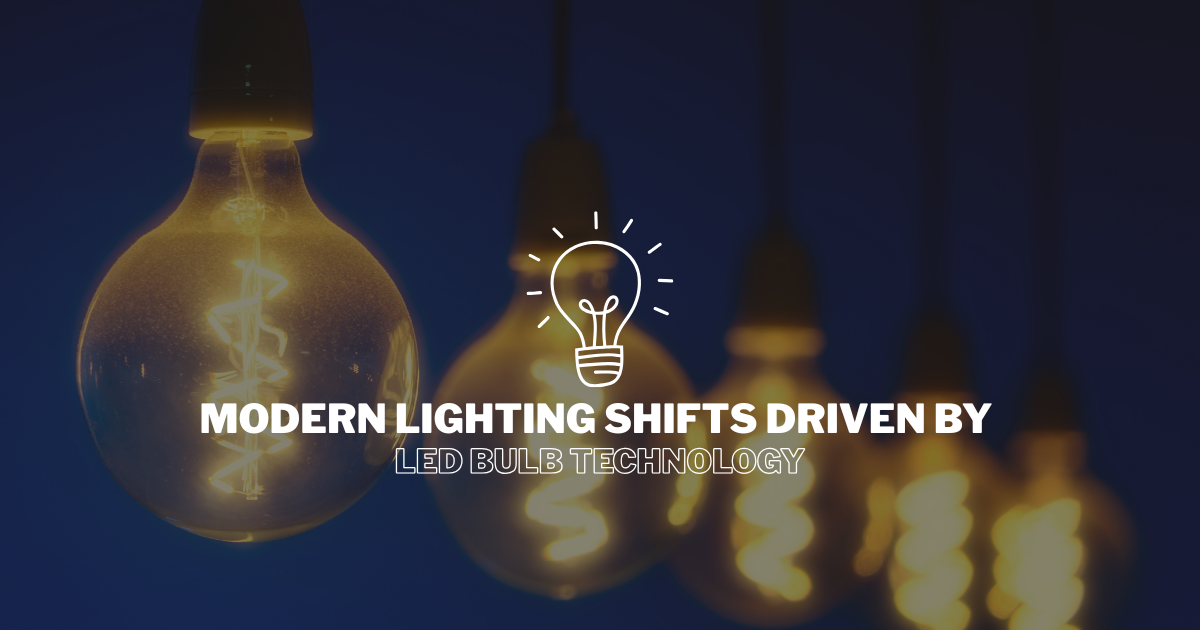
LED bulbs have made a big change in modern lighting. They give you long-lasting light, save energy and are safer than old traditional bulbs. Homes, offices, stores, streets and public places now choose LED bulbs. LED bulb technology has made lighting cheaper and more flexible, improved lighting performance and reduced electricity costs.
LED innovation also helped with automation to make it easier. These changes are still shaping how buildings are made and how cities are planned. Sustainable homes are now being designed with LED bulbs.
Major Changes in LED Bulb Technology
-
Lower Energy Consumption in Modern Buildings
Traditional bulbs use a lot of electricity and produce extra heat. LED bulbs can work well with different small fixtures and tight spaces because they produce less heat and use less power while providing brighter light. Now people who build houses and offices want to use energy-efficient lighting systems such as LED technology which helps lower electricity bills and long-term costs.
LED bulbs are the best choice for governments, companies and homeowners. They use less energy which is also good for environmental health. Many cities are using LED bulbs for streetlights now to save energy costs and improve lighting quality.
-
Reduced Maintenance Costs
Old bulbs used to stop working quickly, so they needed to be replaced quite often. The T6 DC Filament LED bulb gives long-lasting bright light and works for more than 25,000 hours. This is an improvement by LED technology which helps people save money on maintenance in their homes, offices, warehouses, hospitals and public spaces.
Commercial buildings really benefit from this because they do not need to change bulbs frequently. Long-lasting LED systems also create less waste and help support eco-friendly lighting.
-
Smart Lighting Became Part of Daily Life
Traditional lighting was very basic. It only had on and off functions. Then LED technology came along and helped create smart lighting systems that can be controlled automatically from a distance. Now LED bulbs can connect to our mobile apps, voice assistants and even sensors to control brightness, timing and light colours in an easy way.
In homes, you can use these LED systems to control how bright the lights are, when they should be on or off and what colour they should be. You can use motion-sensor LED lights in hallways, garages and outside our homes that turn on automatically when they detect movement which is really convenient. It also makes our homes and offices more secure and helps us save energy because these automated LED systems turn off lights when nobody is working.
-
Adjustable Colours Improved User Experience
Older lighting systems have limited colour options and you cannot change the lighting to suit your needs. Then LED technology brought a major shift by making the bulbs that had adjustable colour temperatures and RGB lighting systems. Now LED bulbs such as the T6 DC filament LED bulb give you different colour-changing options such as warm white, cool white, daylight and many others.
On the other hand, offices like to use cooler LED lighting because it helps people focus, improve visibility and increase productivity. Other places such as entertainment venues, gaming rooms and restaurants use colour-changing LED bulbs to create different moods and make the experience more enjoyable for their customers. These lighting options help people easily control the mood of a room and make it more comfortable.
-
Minimalist Lighting Designs Became Popular
Old lighting fixtures used to be big and not very flexible. But LED bulb technology made lighting products like LED strips, recessed lights, under-cabinet lights and slim ceiling fixtures that have become popular because they fit well with modern buildings and creative interior designs.
Architects and designers use LED lighting to draw attention to furniture, walls, ceilings, staircases and decorative elements. Nowadays modern homes, luxury hotels, retail stores and offices all use LED lighting designs that are both functional and good-looking.
-
Cooler Lighting Improved Indoor Comfort
Incandescent bulbs get really hot during work. LED bulbs are different because they do not get as hot. LED technology has solved this problem as LED bulbs produce less heat while still giving a strong, bright light. Cool lighting makes rooms more comfortable and helps reduce extra heat.
Cool lighting helps create a safer workplace environment because there is less heat risk. Less heat production also reduces the load on air conditioners and helps save more energy. This makes LED bulbs a safer and more energy-saving choice for these places.
-
Eco-Friendly Lighting Supports Sustainability
Fluorescent bulbs contain harmful materials such as mercury. LED technology introduced safer and more environmentally friendly lighting products that use less electricity and do not need to be replaced as often. Using less energy helps lower carbon emissions that are produced in the air when excessive electricity is generated. LED bulbs also last longer which reduces waste in landfills from discarded bulbs.
Many countries are now trying to get people to use LED bulbs through energy-saving programs and protect the environment. This change helped lighting technology match global sustainability goals more closely and take care of the Earth.
-
Better Brightness Enhanced Visual Comfort
LED bulbs improved lighting consistency and visual comfort. Modern LED systems provide instant brightness with stable illumination quality. This increases the productivity of people working or studying in offices, classrooms, hospitals and stores.
Retail stores use focused LED lights to make products easy to see and attract customers. Better brightness control also helps reduce eye strain for people who work or study under artificial lighting for long hours.
-
Smart Outdoor Lighting Improves Urban Areas
LED technology introduced modern outdoor lighting solutions that have changed the way to lighten up the street. LED street lights do not flicker and are bright and spread light evenly. They do not use as much power as the old streetlights. Smart urban lighting systems now include automatic dimming, special motion sensors and remote monitoring features.
Places like parking lots, stadiums, highways and public parks benefit from LED lighting because it is reliable and works well even when the weather is bad. Solar-powered LED systems are also becoming more common in outdoor areas.
How Lighting Brands Are Shaping LED Design Choices
Modern LED lighting is changing fast. It is not only about new technology but lighting brands also play a role in this change. They focus on creating designs that look good, use less energy and are easy to use. Many companies are helping to make LED lighting more useful for homes, offices and shops.
CIRC Lighting is known for making simple and modern LED lighting solutions. They support the LED industry by making more efficient and practical designs that work well with modern interiors, smart lighting and energy-saving spaces.
Conclusion
The LED bulb technology has changed the traditional way of lighting homes and buildings. Because of LED technology, lights can be controlled easily with Wi-Fi, your mobile apps or a virtual assistant which increases convenience. The LED bulb comes in different colours and flexible lighting options so that you can change the mood of a room.
Nowadays, people use LED bulbs in their homes, offices, businesses, public places and cities. This is because LED technology offers better performance, lower costs and improved design flexibility and is better for the environment. They also give you the freedom to design spaces in a more stylish way. These lighting changes continue to shape the future of architecture, urban planning, interior design and smart living.

 English
 Arabic
 French
 Spanish
 Portuguese
 Deutsch
 Turkish
 Italiano
 Russian
 Romaian
 Portuguese (Brazil)
 Greek
Greek