


Bloat Surgery in Dogs Explained for Pet Owners Guide
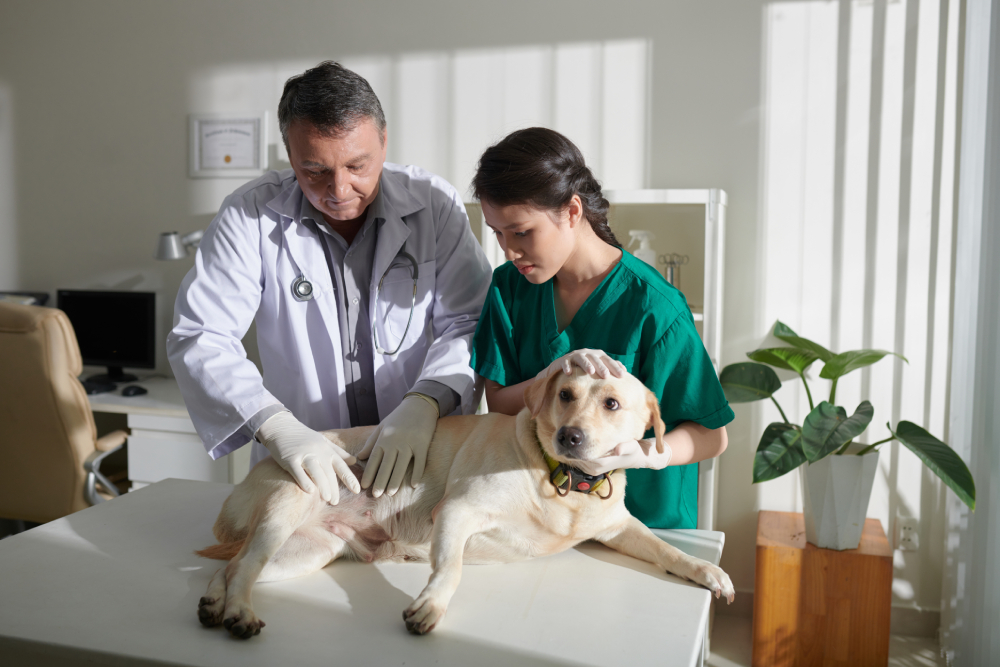
Bloat in dogs is one of the most dangerous and fast-developing medical emergencies a pet owner can face. It can become life-threatening within hours if not treated quickly. Because of its seriousness, understanding bloat surgery, its purpose, and what happens before and after the procedure is extremely important for every dog owner.
This guide explains bloat in simple terms so pet owners can recognize the problem early and respond in the right way.
What Is Bloat in Dogs?
Bloat, medically known as gastric dilatation-volvulus (GDV), is a condition where a dog’s stomach fills with gas, food, or fluid and expands abnormally. In severe cases, the stomach twists on itself, which is when Bloat Surgery in Dogs becomes necessary to restore blood flow and release trapped gas inside.
When this happens, the condition becomes an emergency. Without immediate treatment, it can quickly lead to organ failure and death.
Why Bloat Is So Dangerous
The main danger of bloat is the twisting of the stomach. When the stomach rotates, it blocks the normal flow of blood to vital organs. This causes:
-
Severe pain
-
Shock
-
Damage to the stomach and spleen
-
Rapid deterioration of the dog’s condition
Because of how fast it progresses, bloat is considered a surgical emergency.
Common Causes and Risk Factors
While bloat can happen suddenly, several factors increase the risk.
Eating Too Fast
Dogs that eat quickly may swallow air along with food, leading to gas buildup in the stomach.
Large Meals
Feeding one large meal a day increases pressure in the stomach, especially in big dogs.
Exercise After Eating
Running or jumping right after eating can cause the stomach to move and twist.
Breed Risk
Large, deep-chested breeds such as Great Danes, German Shepherds, and Boxers are more prone to bloat. According to Park Hills Animal Hospital, these breeds require extra care and monitoring due to their higher risk of developing this condition.
Stress or Anxiety
Stressful situations may affect digestion and contribute to stomach issues.
Symptoms of Bloat in Dogs
Recognizing early signs is critical for saving a dog’s life. Common symptoms include:
Swollen Abdomen
A tight, enlarged stomach is one of the most visible signs.
Restlessness
Dogs may appear uncomfortable, pacing or unable to lie down.
Unproductive Vomiting
The dog may try to vomit but nothing comes out.
Excessive Drooling
Increased saliva is a common warning sign.
Rapid Breathing
Breathing becomes fast and shallow due to pressure on the chest.
Weakness or Collapse
In severe cases, dogs may become weak, unresponsive, or collapse.
What Is Bloat Surgery in Dogs?
Bloat surgery is an emergency procedure performed by a veterinarian to correct the twisted stomach and relieve gas buildup. The main goals of surgery are:
-
Untwist the stomach
-
Remove trapped gas or fluid
-
Restore blood flow
-
Prevent recurrence
Without surgery, survival is extremely unlikely.
Step-by-Step Overview of Bloat Surgery
Understanding the surgical process can help pet owners feel more prepared during emergencies.
Emergency Stabilization
Before surgery, the vet will try to stabilize the dog. This may include:
-
IV fluids to prevent shock
-
Oxygen support
-
Pain management
-
Attempting to release gas from the stomach
Stabilization is important before anesthesia and surgery.
Surgical Procedure
Once the dog is stable enough, surgery begins. The veterinarian:
-
Opens the abdomen
-
Untwists the stomach carefully
-
Checks for tissue damage
-
Removes any dead tissue if necessary
This step restores normal stomach positioning.
Gastropexy Procedure
To prevent future bloat, many dogs undergo a procedure called gastropexy. This involves attaching the stomach to the abdominal wall so it cannot twist again.
This is a very important preventive step, especially for high-risk breeds.
Risks of Bloat Surgery
Like all major surgeries, bloat surgery has some risks, including:
-
Infection
-
Reaction to anesthesia
-
Internal complications
-
Organ damage in severe cases
However, without surgery, bloat is almost always fatal, so the benefits far outweigh the risks.
Recovery After Bloat Surgery
Recovery is a critical phase in the healing process and requires careful attention.
Hospital Recovery
After surgery, dogs are usually kept in the hospital for monitoring. They receive:
-
Pain relief
-
Antibiotics
-
IV fluids
-
Close observation for complications
At-Home Care
Once discharged, pet owners must follow strict care instructions:
-
Limit physical activity
-
Keep the incision area clean
-
Follow medication schedules
-
Monitor appetite and behavior
Diet Changes
Dogs may need:
-
Smaller, frequent meals
-
Easily digestible food
-
Slow feeding methods
This helps reduce stress on the digestive system.
How to Prevent Bloat in Dogs
While bloat cannot always be prevented, several steps can reduce the risk:
Feed Smaller Meals
Divide daily food into two or three smaller portions.
Use Slow Feed Bowls
These help prevent dogs from eating too quickly.
Avoid Exercise After Eating
Wait at least 1–2 hours after meals before physical activity.
Reduce Stress
A calm environment supports better digestion.
Regular Vet Checkups
Routine health checks help identify risk factors early.
When to Seek Emergency Help
If you suspect bloat, do not wait. This is a medical emergency. Take your dog to a veterinarian immediately. Even a few minutes can make a difference.
Conclusion
Bloat surgery in dogs is a life-saving procedure used to treat one of the most dangerous emergency conditions in veterinary medicine. Understanding the symptoms, causes, and treatment process helps pet owners act quickly and confidently.
Early recognition and immediate veterinary care are the keys to survival. With proper awareness, preventive care, and fast action, you can greatly improve your dog’s chances of recovery and long-term health.
 French
 English
 Arabic
 Spanish
 Portuguese
 Deutsch
 Turkish
 Dutch
Dutch
 Italiano
 Russian
 Romaian
 Portuguese (Brazil)
 Greek
Greek