


Common Building Issues That Need Professional Repair Solutions
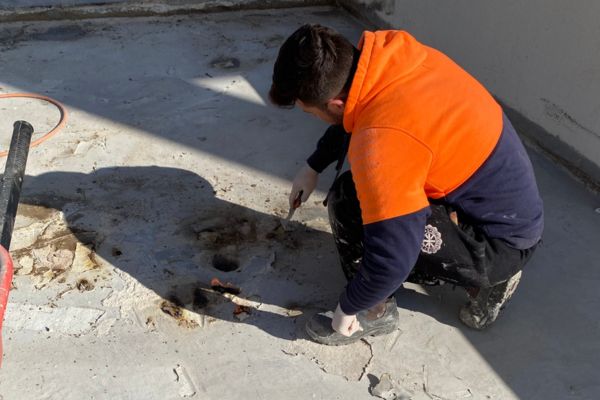
Buildings are designed to endure years of use, but over time, defects can develop due to environmental exposure, poor construction practices, or material aging. Identifying these issues early is essential to maintain safety, functionality, and long-term value. A common question property owners ask is, what defects require remedial building services? Understanding these defects can help prevent minor problems from turning into costly repairs.
Understanding Remedial Building Services
Remedial building services focus on repairing, restoring, and maintaining structures that have developed defects. These services aim to address issues before they compromise the safety or performance of a building.
Unlike major structural interventions, remedial work often targets specific areas of concern, ensuring that damage is contained and corrected efficiently. However, some defects, if left untreated, can escalate into more serious structural problems.
Water Damage and Moisture Intrusion
One of the most common defects that require attention is water damage. Moisture can seep into buildings through cracks, faulty joints, or poor waterproofing systems. Over time, this leads to deterioration of materials and can create unhealthy living conditions.
Signs of water-related defects include:
Damp walls or ceilings
Peeling paint or bubbling surfaces
Mold and mildew growth
Water stains or discoloration
Moisture intrusion not only affects aesthetics but also weakens building materials, making timely remedial action essential.
Cracks in Walls and Concrete
Cracks are often the first visible sign that something is wrong. While small hairline cracks may be harmless, larger or expanding cracks can indicate deeper issues.
Types of cracks that may require remedial building services include:
Shrinkage cracks from drying materials
Settlement cracks due to ground movement
Stress cracks caused by load or environmental changes
Ignoring these cracks can allow water penetration and further structural weakening, increasing repair costs over time.
Concrete Spalling and Surface Deterioration
Concrete spalling occurs when the surface layer of concrete begins to flake, chip, or break away. This defect is often caused by corrosion of the steel reinforcement inside the concrete or prolonged exposure to moisture.
Common indicators include:
Flaking or peeling concrete surfaces
Exposed reinforcement bars
Rust stains on concrete
Spalling not only affects the appearance of a structure but can also reduce its durability if not addressed promptly.
Facade and Cladding Issues
The exterior facade of a building plays a crucial role in protecting it from environmental elements. Damage to cladding or facade materials can lead to water ingress and energy inefficiency.
Typical facade-related defects include:
Loose or damaged panels
Cracked render or coatings
Gaps in joints or sealants
Remedial building services help restore the protective layer of the building, ensuring it remains weather-resistant and visually appealing.
Roofing and Drainage Problems
Roof defects are another major concern that often require remedial attention. A damaged or poorly maintained roof can allow water to enter the building, leading to widespread damage.
Common roofing issues include:
Broken or missing tiles
Blocked or damaged drainage systems
Leaking joints or flashing
Proper repairs and maintenance of roofing systems are essential to prevent internal damage and maintain structural integrity.
Balcony and Waterproofing Failures
Balconies are particularly vulnerable to water-related defects due to their exposure to weather conditions. Poor waterproofing can lead to leaks that affect both the balcony and the areas below it.
Signs of waterproofing failure include:
Water pooling on surfaces
Cracks in tiles or membranes
Leakage into adjacent rooms
Addressing these defects early helps prevent extensive damage and ensures the longevity of the structure.
Corrosion of Structural Elements
Corrosion is a serious issue, especially in buildings with exposed metal components or reinforced concrete. When steel reinforcement corrodes, it expands, causing surrounding concrete to crack and deteriorate.
This type of defect often requires immediate remedial action to prevent further damage and maintain safety.
Why Timely Remedial Work Is Important
Delaying repairs can worsen defects and increase the cost of restoration. Early intervention offers several benefits:
Prevents minor issues from becoming major problems
Extends the lifespan of building components
Improves safety and structural performance
Maintains property value
Regular inspections and maintenance play a key role in identifying defects before they escalate.
Final Thoughts
Understanding what defects require remedial building services? is essential for anyone responsible for maintaining a property. From water damage and cracks to spalling and waterproofing failures, these issues can significantly impact the durability and safety of a building.
By recognizing the early signs and taking prompt action, property owners can ensure their structures remain strong, functional, and protected for years to come.

 Arabic
 French
 Spanish
 Portuguese
 Deutsch
 Turkish
 Dutch
Dutch
 Italiano
 Russian
 Romaian
 Portuguese (Brazil)
 Greek
Greek