


Why Do Some Range Rover Engines Consume More Oil?
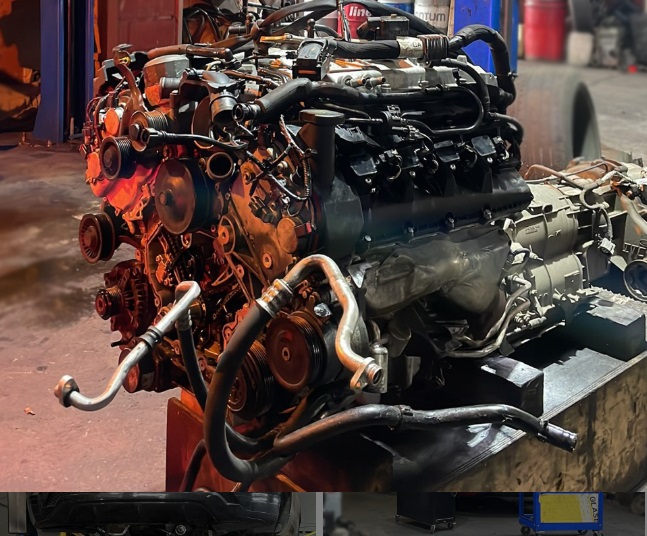
The prestige of owning a luxury SUV often comes with a steep learning curve regarding specialized maintenance and mechanical quirks. Many drivers notice that their high-performance vehicle requires frequent top-offs between scheduled service intervals which leads to questions about internal efficiency. Understanding the baseline health of a Range Rover engine involves recognizing that these sophisticated machines operate under immense pressure and heat. While some oil usage is considered normal by manufacturer standards, excessive thirst for lubricant usually points to specific design characteristics or wear patterns that emerge over time. Exploring these variables helps owners protect their significant automotive investment.
The Reality of High-Performance Lubrication
Modern luxury vehicles are engineered with extremely tight tolerances to maximize power output while attempting to meet stringent environmental regulations. When you push a Range Rover engine to deliver its trademark torque and smooth acceleration, the internal components generate significant thermal energy that can shear down oil molecules. This process naturally leads to a small amount of vaporizing lubricant which eventually exits through the exhaust system or the crankcase ventilation. It is important to distinguish between a catastrophic leak and the gradual migration of fluid that occurs during spirited driving sessions across challenging or diverse terrain types.
Impact of Advanced Turbocharging Systems
Turbochargers have become a staple in the quest for efficiency and raw speed but they introduce additional pathways for fluid loss. The bearings within a Range Rover engine turbocharger require a constant flow of oil to spin at incredibly high revolutions per minute without seizing. If the seals within these units begin to degrade or if the oil return lines become slightly restricted, small amounts of oil can bypass the seals and enter the intake tract. This specific mechanical setup is a common culprit for increased consumption because the turbo operates under extreme heat cycles that stress every surrounding component.
Piston Ring Dynamics and Seal Integrity
Inside the combustion chamber, piston rings serve as the primary barrier between the oil gallery and the fire of ignition. As a Range Rover engine accumulates mileage, these rings can become fouled with carbon deposits or lose their tension against the cylinder walls. When this occurs, the downward stroke of the piston fails to scrape all the oil back into the pan, leaving a thin film to be burned away during the next combustion cycle. This microscopic loss happens thousands of times per minute which eventually manifests as a noticeable drop on the dipstick or a dashboard warning light.
Crankcase Ventilation and Pressure Issues
The Positive Crankcase Ventilation system is designed to recycle blow-by gases but it can inadvertently become a highway for oil mist. If the separator or valve within a Range Rover engine becomes clogged with sludge, the internal pressure rises significantly and forces oil vapor into the air intake. This hardware failure is often overlooked because it does not result in a visible puddle on the driveway but rather a slow internal disappearance of fluid. Maintaining this system is vital for ensuring that the vacuum pressure remains balanced and that oil stays where it is actually needed.
Synthetic Oil Viscosity and Heat Management
Manufacturers often recommend very thin synthetic oils to improve fuel economy and ensure rapid lubrication during cold starts in winter conditions. While these low-viscosity fluids flow excellently, they are also more prone to slipping past aging seals or evaporating when a Range Rover engine reaches its peak operating temperature. The trade-off for better mileage is often a slight increase in consumption as the thinner oil finds its way through the smallest gaps. Owners must use the exact grade specified to balance the needs of protection against the inevitability of minor fluid loss.
Driving Habits and Environmental Factors
How and where you drive plays a massive role in how much lubricant your vehicle decides to use over several months. Frequent short trips prevent a Range Rover engine from reaching the ideal temperature required to burn off moisture and fuel contaminants that accumulate in the sump. Conversely, towing heavy trailers or climbing steep mountain passes increases the load on the internal hardware which naturally accelerates the rate of oil vaporization. Consistent heavy-footed acceleration creates higher cylinder pressures that test the limits of every gasket and seal throughout the entire high-performance powertrain assembly.
Valve Stem Seals and Top-End Wear
The top half of the motor houses the valvetrain which relies on rubberized seals to keep oil from leaking into the intake and exhaust ports. Over years of heat cycling, these seals can become brittle and lose their ability to wipe the valve stems clean during operation. A Range Rover engine might exhibit a small puff of blue smoke upon startup if these seals are failing because oil seeps down while the vehicle sits overnight. Replacing these components is a labor-intensive task but it is often the only way to stop the steady disappearance of expensive synthetic lubricants.
The Role of Variable Valve Timing
Sophisticated timing systems use oil pressure to adjust the camshaft positions for better efficiency and power delivery across the entire rev range. Any sludge or debris inside a Range Rover engine can disrupt these delicate hydraulic passages and lead to erratic pressure fluctuations that encourage oil bypass. Because these systems are so reliant on clean fluid, even minor neglect in oil change intervals can lead to a snowball effect of consumption issues. Keeping the internal passages clear ensures that the hydraulic actuators function correctly without wasting the oil that powers them so effectively.
Proactive Monitoring and Long-Term Care
The best defense against high consumption is a rigorous schedule of inspections and using high-quality filtration products designed for luxury SUVs. Checking the levels once a week allows you to establish a baseline for what is normal for your particular vehicle and its current mileage. Catching a slight increase in consumption early can prevent secondary damage to the catalytic converters or oxygen sensors which are sensitive to oil soot. By staying ahead of the maintenance curve, you ensure that your vehicle remains a reliable companion for both city commuting and rugged off-road adventures.

 English
 Arabic
 French
 Spanish
 Portuguese
 Deutsch
 Turkish
 Dutch
Dutch
 Russian
 Romaian
 Portuguese (Brazil)
 Greek
Greek