


How to mastering IGNOU Handwritten Assignments
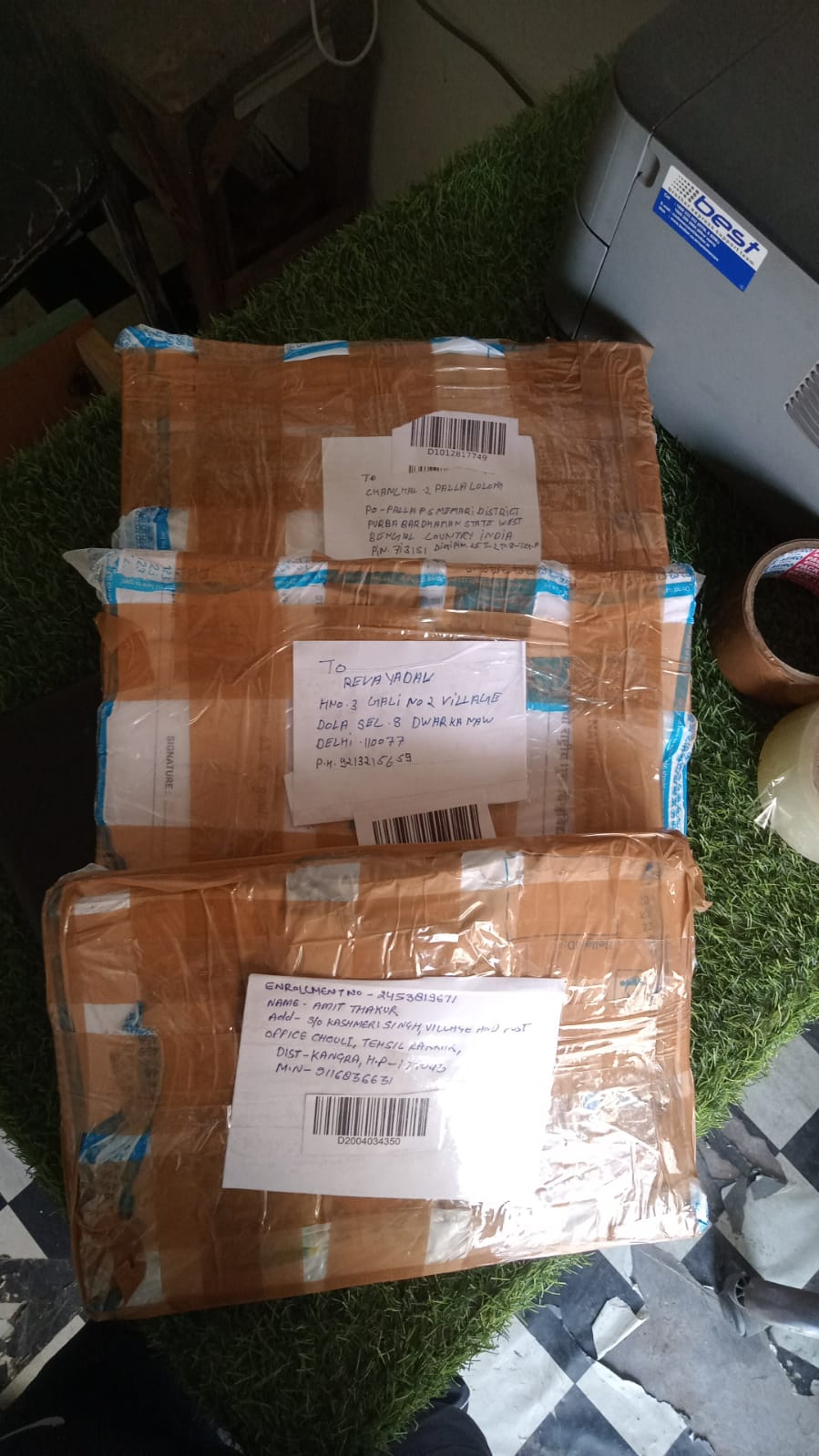
Well, Being a student it's time to submit IGNOU Handwritten Assignment. But wait—one messy page could tank your score. IGNOU assignments carry up to 30% weight in your final grade. Examiners often judge the whole work based on how neat your handwriting looks right from the start. If you're struggling with clarity or sticking to rules, you're not alone. Many students wonder how to craft an IGNOU handwritten assignment with the best handwriting. This guide covers it all, from basics to tricks using your IGNOU handwritten notes wisely.
Understanding IGNOU Assignment Submission Standards
IGNOU sets clear rules for handwritten submissions. These help keep everything fair and easy to grade. Follow them to avoid rejection or low marks.
Decoding Official IGNOU Guidelines for Submission Format
IGNOU requires specific formats for all assignments. Use A4 paper, and write only on one side unless told otherwise. Hand in a stapled set, no loose pages.
Required Paper Specifications
Stick to plain white A4 sheets, 80 GSM thick. Some pick ruled lines for straight writing, but unruled works if your hand stays steady. Keep 1-inch margins on all sides—top, bottom, left, and right. This gives space for notes from examiners. Use black or blue ink only; colors distract.
Essential Cover Page Elements
Your front page needs key details. Write your full name at the top. Add your enrollment number below it. Include the course code and assignment session, like July 2026. End with the submission date. Make this page simple—no fancy designs. It sets a pro tone for the rest.
The Legal and Ethical Boundaries of Using Pre-Written Notes
You might have old IGNOU handwritten notes from past terms. Reuse them? Tread carefully. IGNOU stresses original work to build real skills.
Plagiarism Concerns When Reusing Handwritten Material
Copying straight from notes counts as plagiarism. Universities check for copied content, even in handwriting. It can lead to zero marks or worse. Always rewrite in your words to show understanding. Tools like online checkers help spot issues before you submit.
When and How to Adapt Existing Notes for New Submissions Legally
Adapt notes only as a base. Pull key ideas, then explain them fresh. For example, if your notes summarize a chapter, expand it with examples from class. This keeps it ethical. Label adapted parts clearly in your mind—don't mix them up. Check IGNOU's policy yearly; rules shift slightly.
Techniques for Developing Superior Handwriting for Academic Submissions
Good handwriting boosts your grades fast. It's not about art—it's about clear communication. Start small, practice daily, and see changes in weeks.
Foundational Drills for Legibility and Consistency
Build habits for clean script. Focus on even pressure and flow. Do these drills ten minutes a day.
Mastering Slant, Size, and Spacing Consistency
Keep letters the same height, about half an inch. Slant them slightly right for natural look—avoid wild leans. Space words evenly; one letter-width between them. Practice lines of the alphabet. Over time, your IGNOU handwritten assignment will flow like print.
The Importance of Practice Sheets and Repetitive Drills
Grab cheap notebooks for drills. Write sentences from your textbook repeatedly. Time yourself to build speed without mess. Track progress—compare week one to week four. Many students see 50% better legibility after a month. It's like gym for your hand.
Choosing the Right Tools: Pen Selection and Grip Optimization
Wrong tools ruin good efforts. Pick gear that fits your style. Test a few before big writes.
Best Pens for Smooth, Non-Smudging Ink Flow
Go for gel pens like Pilot FriXion for erase-friendly ink. Ballpoints from Bic work cheap and reliable. Skip rollerballs if you smudge left-handed. Black ink dries quick on A4 paper. In tests, gel pens score higher for neatness in long sessions.
Ergonomics: Adjusting Pen Grip to Reduce Fatigue During Long Writing Sessions
Hold the pen between thumb and index, resting on middle finger. Keep it loose—tight grips cramp fast. Angle the paper 30 degrees for comfort. Take breaks every 30 minutes. This setup lets you tackle full IGNOU assignments without shaky lines.
Formatting Strategies for Maximum Visual Impact
Layout matters as much as words. A well-spaced page grabs attention. Think of it as framing your ideas.
Structuring Answers for Clarity and Readability
Break big answers into bites. Use short paragraphs, three to five lines each. This helps examiners scan quick.
Effective Use of Headings, Subheadings, and Numbering Schemes
Start each answer with a bold heading, like "Question 1." Use subpoints: 1.1 for details, then a, b for lists. Number pages at the bottom. This mirrors IGNOU's exam style. Readers follow easier, boosting your impression.
Incorporating Diagrams and Flowcharts Neatly
Draw simple sketches with ruler for straight lines. Use pencil first, then ink over. Label arrows clearly. For flowcharts, boxes and lines keep it tidy. Practice on scrap paper. These visuals can lift your score by 10-15%, per student reports.
The Art of Clean Presentation: Erasing and Correction Methods
Mistakes happen. Fix them right to keep pages pristine. No one likes scribbled work.
Approved Methods for Correcting Mistakes
Strike through errors with one line—don't scribble. For big fixes, use white correction fluid sparingly. Let it dry fully before writing over. Avoid erasers; they tear paper. In IGNOU checks, clean corrections show care.
Maintaining Uniform Margins Across All Pages
Measure margins with a ruler before starting. Stick a guide strip on your desk for reference. Check every few pages. Uneven edges look sloppy. Uniform setup makes your assignment pro-level.
Optimizing Handwritten Notes for Future IGNOU Assignments
Your notes aren't junk—turn them into gold. Smart setup saves hours next term. Build a system now.
Structuring Notes for Modular Reusability
Organize notes like building blocks. Group by topic for easy pull. This way, bits fit new assignments.
Creating Index Cards or Summary Sheets for Quick Reference
Jot key terms on small cards. One idea per card, with examples. File by course code. For summaries, use half-pages with bullets. Pull these for your IGNOU handwritten assignment base. It cuts writing time in half.
Using Color-Coding Strategically in Personal Study Notes
Blue for definitions, green for examples. Red flags key dates. Keep colors light to scan fast. This sparks memory when adapting for submissions. Students swear by it for retention.
Reviewing and Refining Existing Handwritten Material
Old notes gather dust? Revive them. Check against current needs.
Self-Assessment Checklist: Legibility Check on Older Scripts
Scan for fades or smudges. Is slant even? Read aloud—does it flow? Fix blurry parts by recopying. Aim for 90% clear. This preps them for reuse.
Integrating Newer Formatting Requirements into Older Content
Add fresh margins to old pages. Update headings to match guidelines just like you do at the time of making IGNOU Project. Blend in new info seamlessly. Now, your IGNOU handwritten notes double as assignment starters. It's efficient and smart.
Conclusion: Final Review Checklist for Submission Success
You've got the tools to nail your IGNOU handwritten assignment with top handwriting. Neat presentation plus clear rules can raise your grades big time. Using adapted IGNOU handwritten notes ethically saves effort without risks.

 English
 Arabic
 French
 Spanish
 Portuguese
 Deutsch
 Turkish
 Dutch
Dutch
 Russian
 Romaian
 Portuguese (Brazil)
 Greek
Greek