


Choosing Egypt for Medical Studies: Key Facts & Insights
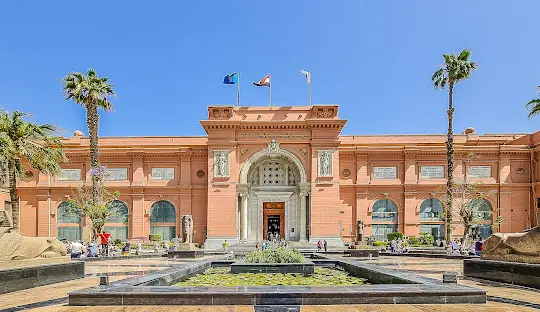
Studying MBBS in Egypt for Indian medical students has rapidly become a serious alternative to traditional destinations like Russia, China, and Eastern Europe. Over the last few years, Egypt has positioned itself as a hub for affordable, globally recognized medical education with a strong clinical foundation. For Indian aspirants who face intense competition and high private college fees at home, Egypt offers a balanced mix of quality education, cultural familiarity, and long-term career opportunities. This guide explains why choosing Egypt for medical studies is gaining attention and what students should know before making their decision.
Egypt as an Emerging Medical Education Destination
Egypt has one of the oldest medical education systems in the world. Universities such as Cairo University and Ain Shams University have trained doctors for decades and maintain strong academic reputations across the Middle East and Africa. The country’s healthcare infrastructure supports hands-on clinical exposure, which is crucial in shaping competent doctors.
For Indian students, the appeal lies in:
-
Government-recognized universities
-
English-medium instruction
-
Affordable tuition compared to private Indian colleges
-
Exposure to diverse patient cases
-
Global recognition of the degree
Egypt’s population exceeds 110 million, which means hospitals are constantly active. This high patient inflow allows students to gain real clinical experience early in their academic journey.
Academic Structure and Curriculum
The MBBS program in Egypt typically spans 5 years of academic study plus 1 year of internship. The curriculum closely follows international medical standards and emphasizes both theoretical knowledge and practical training.
Key features include:
-
Integrated learning model combining classroom teaching with hospital exposure
-
Modern laboratories and simulation-based training
-
Clinical rotations in government hospitals
-
Research-focused academic environment
-
Continuous internal assessments
Many Egyptian universities are listed in international medical directories, enabling graduates to appear for global licensing exams such as FMGE/NExT (India), USMLE (USA), PLAB (UK), and others.
Admission Process and Eligibility
The admission process is straightforward compared to many Western countries. Indian students must meet basic eligibility requirements:
-
Completion of 10+2 with Physics, Chemistry, and Biology
-
Minimum qualifying percentage as required by the university
-
Valid NEET qualification (mandatory for Indian licensing eligibility)
-
Passport and academic documents
-
Medical fitness certificate
Most universities do not require entrance exams beyond NEET, and the application process is largely documentation-based. This reduces stress and uncertainty for students.
Tuition Fees and Cost of Living
One of the strongest advantages of Egypt is financial accessibility. Medical education in India’s private sector can reach extremely high figures, while Egypt provides a more manageable cost structure.
Estimated cost overview:
-
Tuition fees: Moderate compared to Indian private colleges
-
Hostel accommodation: Affordable and student-friendly
-
Living expenses: Budget-friendly with shared housing options
-
Food and transport: Low daily expenses
-
Health insurance: Minimal annual cost
Egypt’s currency conversion works in favor of Indian students, helping families plan long-term finances more comfortably.
Language and Cultural Comfort
Egypt offers a culturally familiar environment for Indian students. The country is welcoming to international communities, and Indian food, groceries, and cultural networks are widely available in major cities.
Although Arabic is the national language, medical education is conducted in English, especially for international batches. Students gradually pick up conversational Arabic during clinical practice, which enhances patient communication skills.
Safety, hospitality, and student support services contribute to a smooth transition for newcomers.
Clinical Exposure and Practical Training
Clinical exposure is the backbone of Egyptian medical education. Students are attached to large public hospitals where patient inflow is high. This creates strong hands-on learning opportunities:
-
Early clinical observation
-
Structured ward rotations
-
Real-time diagnosis training
-
Surgical exposure
-
Internship in active teaching hospitals
Such exposure prepares graduates for licensing exams and real-world medical environments.
Recognition and Career Pathways
Graduates from Egyptian universities are eligible to pursue medical careers in multiple countries, provided they clear respective licensing exams. Recognition by international bodies allows flexibility in career planning.
After graduation, students can:
-
Return to India and appear for FMGE/NExT
-
Prepare for USMLE and practice in the USA
-
Attempt PLAB for the UK
-
Work in Middle Eastern healthcare systems
-
Pursue postgraduate specialization abroad
This global mobility is a key reason Egypt is gaining attention among Indian students.
Student Life and Campus Experience
Life in Egypt is vibrant and student-friendly. Major university cities offer modern infrastructure, affordable entertainment, and safe public transport.
Students enjoy:
-
University hostels and shared apartments
-
Sports and cultural clubs
-
International student communities
-
Affordable travel within Egypt
-
Rich historical and cultural exploration
The balance between academics and lifestyle supports mental well-being and social development.
Challenges Students Should Prepare For
Every international destination has adjustment factors. In Egypt, students may face:
-
Weather adaptation (hot summers)
-
Initial cultural differences
-
Language barriers outside campus
-
Academic discipline required in a rigorous system
However, most students adjust within a few months with proper guidance.
Why Egypt is Becoming a Strategic Choice
Egypt combines affordability, academic legacy, and strong clinical training in a way few countries currently do. For Indian students seeking a reliable alternative to overcrowded domestic seats and expensive private institutions, Egypt represents a practical pathway to becoming a doctor.
The country’s growing popularity is not based on marketing hype but on real educational value. Universities are upgrading facilities, increasing international collaboration, and expanding English-medium programs to attract global students.
Conclusion
Choosing Egypt for medical studies is not merely about cost savings — it is about accessing a historically rich medical education system that emphasizes clinical excellence. Indian students benefit from global recognition, structured training, and exposure to a diverse healthcare environment. With the right planning, Egypt can serve as a strong foundation for a successful international medical career.

 English
 Arabic
 French
 Spanish
 Portuguese
 Deutsch
 Turkish
 Italiano
 Russian
 Romaian
 Portuguese (Brazil)
 Greek
Greek