


The Ad Tech Stack: A Look at the Broader Demand Side Platform Industry
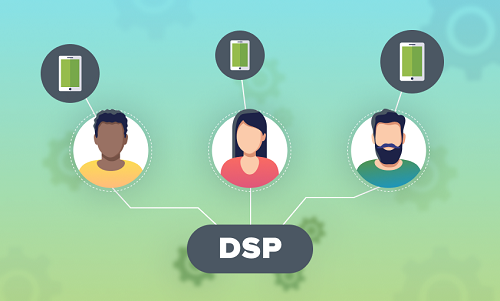
The Demand Side Platform Industry is a complex ecosystem that extends far beyond the DSP software itself. A DSP is just one, albeit crucial, component in the intricate ad tech supply chain that connects an advertiser to a publisher's ad space. To understand the industry, one must understand its counterparts and partners. The most direct counterpart to the DSP is the Supply-Side Platform (SSP). While the DSP works on behalf of the advertiser (the "demand" side), the SSP works on behalf of the publisher (the "supply" side). SSPs allow publishers to manage their ad inventory and make it available to multiple ad exchanges and DSPs simultaneously, with the goal of maximizing their ad revenue. The DSPs and SSPs are the two main pillars that support the entire programmatic marketplace.
Connecting the DSPs and SSPs is the ad exchange, which acts as the neutral, auction-based marketplace where the buying and selling of ad impressions happen in real-time. Major ad exchanges, like Google Ad Exchange, are massive platforms that process billions of ad auctions every day. When an SSP makes an ad impression available, the exchange broadcasts the opportunity to the DSPs, which then submit their bids. The exchange determines the winner and facilitates the transaction. This central marketplace model is what enables the massive scale and efficiency of programmatic advertising, allowing a single DSP to access inventory from tens of thousands of different publishers through a single point of integration.
A critical part of the industry ecosystem is the vast array of data and measurement partners. Data Management Platforms (DMPs) and, more recently, Customer Data Platforms (CDPs) are essential for feeding audience data into the DSP. These platforms help advertisers organize their own first-party customer data and combine it with third-party data to create the targetable audience segments that are used in campaigns. After an ad is served, another set of partners comes into play: the measurement and verification companies. Firms like Integral Ad Science (IAS) and DoubleVerify provide third-party verification services to ensure that ads were actually viewable by a human, served in a brand-safe environment, and free from fraudulent traffic, providing essential accountability and trust in the system.
Finally, the human element is a vital component of the industry. The primary users of self-serve DSPs are the media buyers and programmatic traders who work at advertising agencies or on in-house brand marketing teams. These skilled professionals are responsible for campaign strategy, setup, and optimization, acting as the "pilots" of these complex platforms. The industry has created a demand for a new set of digital advertising skills, and a whole ecosystem of training programs, certifications, and industry conferences has emerged to support this workforce. The strategic thinking and analytical skills of these human traders are what unlock the true potential of the powerful technology at their fingertips.
Top Trending Reports:

 English
 Arabic
 French
 Spanish
 Portuguese
 Deutsch
 Dutch
Dutch
 Italiano
 Russian
 Romaian
 Portuguese (Brazil)
 Greek
Greek