


The Modern Developer's Assembly Line: A Look at DevOps Solutions
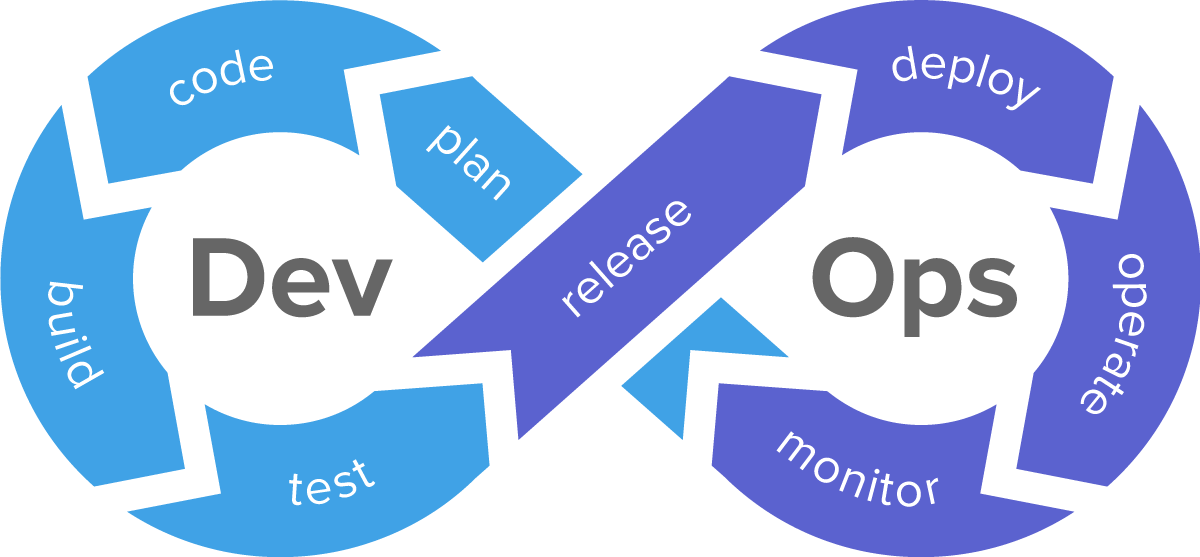
The abstract philosophy of "DevOps" is made concrete through a sophisticated and interconnected set of DevOps Solutions that together form the modern software development and delivery assembly line. These are not a single product but a "toolchain" of specialized tools and platforms, each designed to automate and streamline a specific stage of the software lifecycle. From planning and coding to testing, deploying, and monitoring, these solutions are the practical instruments of the DevOps revolution. They work together to create a highly automated, efficient, and transparent pipeline that allows software to flow rapidly and reliably from a developer's laptop to production. Understanding the key components of this modern toolkit is essential for appreciating how high-performing technology organizations are able to deliver better software, faster, and with greater confidence.
One of the most foundational and critical solutions in the DevOps toolchain is the Continuous Integration/Continuous Delivery (CI/CD) pipeline. This is the automated heart of the DevOps process. The CI part involves a server (like the open-source tool Jenkins or a cloud-based service like CircleCI) that automatically pulls code changes from a central repository, builds the software, and runs a suite of automated tests. This ensures that new code is constantly being integrated and validated. The CD part extends this by automating the release process, deploying code that has passed all tests to a staging or production environment. This solution eliminates the slow, manual, and error-prone release processes of the past, enabling teams to deploy changes with the push of a button, multiple times a day.
Another essential category of solutions is focused on Infrastructure as Code (IaC). In the traditional model, IT infrastructure (servers, networks, databases) was provisioned manually, a slow and inconsistent process. IaC solutions, with tools like HashiCorp's Terraform and the open-source tool Ansible, allow operations teams to define and manage their infrastructure using machine-readable configuration files—in other words, as code. This code can be version-controlled, tested, and automated, just like application code. The DevOps Market is Reaching at a CAGR of 14.63%, Set to Grow from USD 8.91 Billion to USD 40.01 Billion During 2025 - 2035. This IaC approach provides a powerful solution for creating consistent, repeatable, and scalable cloud environments, and it is a fundamental prerequisite for achieving a fully automated DevOps pipeline and for managing modern, dynamic cloud infrastructure.
A third, and increasingly vital, area of solutions is observability and monitoring. In the world of complex, distributed microservices, understanding what is happening inside your application is a major challenge. Modern observability solutions, from vendors like Datadog, Splunk, and New Relic, provide a unified platform for collecting and analyzing the three key pillars of telemetry data: logs (records of events), metrics (numerical measurements over time), and traces (which show the path of a request as it travels through different microservices). By correlating this data, these solutions allow teams to gain deep, real-time visibility into their application's performance, quickly identify the root cause of problems, and ensure a high-quality experience for their end-users. This data-driven feedback loop is a critical component of the "Measure" and "Lean" principles of DevOps.
Explore More Like This in Our Regional Reports:
US Intelligent Document Processing Market Size

 English
 French
 Spanish
 Portuguese
 Deutsch
 Turkish
 Dutch
Dutch
 Italiano
 Russian
 Romaian
 Portuguese (Brazil)
 Greek
Greek