


Difference Between Joint Pain and Muscle Pain: Understanding Symptoms, Causes & Natural Relief
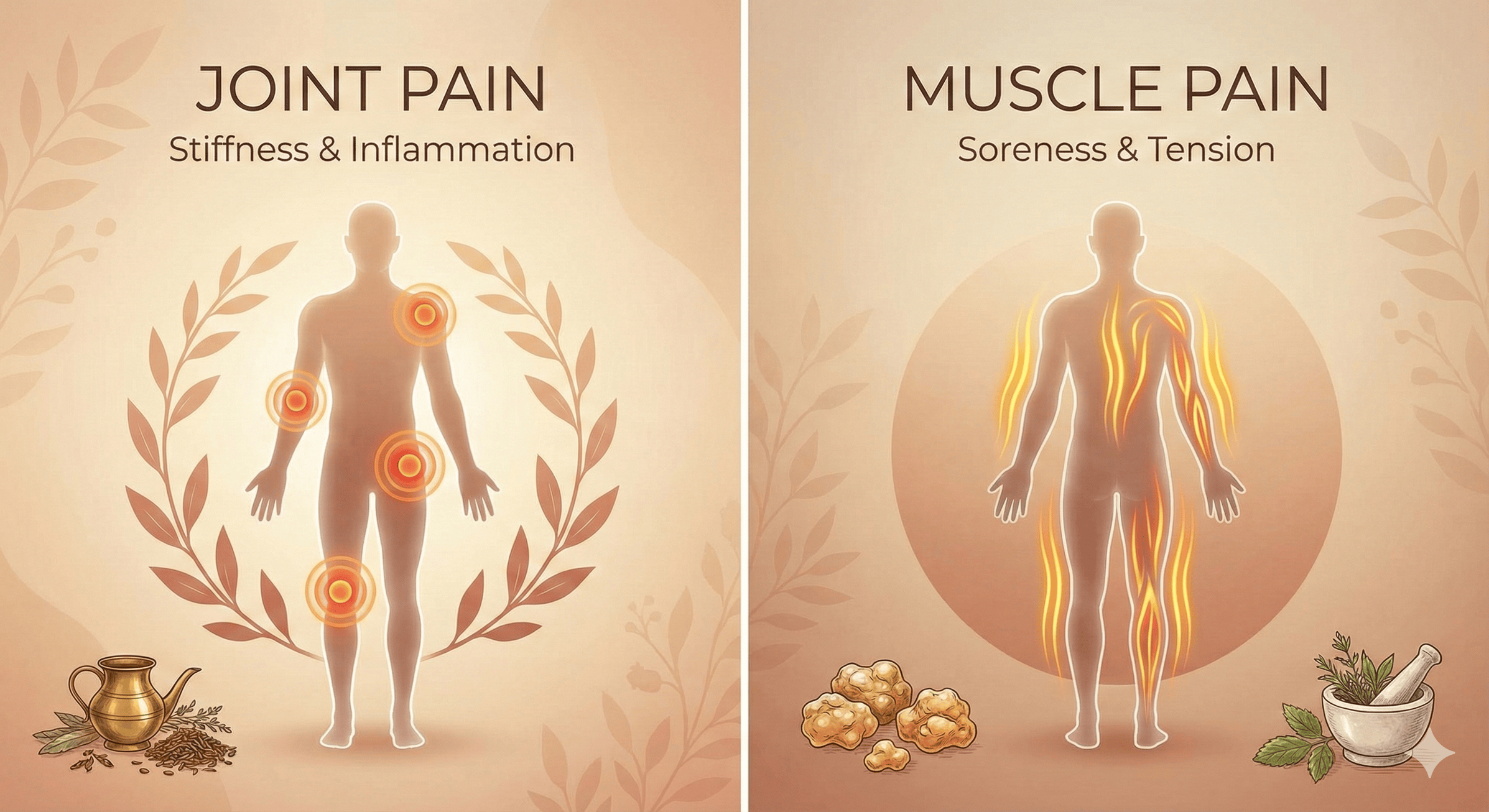
Joint and muscle discomfort are among the most common health issues people experience today. Whether it’s stiffness after long working hours, soreness from physical strain, or age-related discomfort, many individuals struggle to differentiate between joint pain and muscle pain. Understanding this difference is essential not only for better self-care but also for choosing the right natural approach for better mobility, flexibility, and comfort.
In Ayurveda, body pain is linked to imbalanced Vata Dosha, poor tissue nourishment, and restricted circulation. Modern lifestyle habits—such as long sitting hours, lack of stretching, nutritional deficiencies, and overexertion—further intensify the discomfort. As highlighted by wellness experts at Lake Ayurveda, identifying the root cause is the first step toward sustainable relief.
This article explores the difference between joint pain and muscle pain, the main muscle joint pain causes, how to spot the symptoms, and natural ways to support long-term comfort using herbs, diet, and lifestyle corrections.
What Is the Difference Between Joint Pain and Muscle Pain?
Although both issues can cause mobility restrictions, tightness, and discomfort, they originate from different areas of the body.
Joint Pain: Stiffness, Swelling & Movement-Related Discomfort
Joint pain typically arises in areas where two bones meet—knees, elbows, hips, shoulders, wrist joints, fingers, or ankles.
Key Characteristics of Joint Pain
-
Pain often worsens with movement
-
Stiffness after waking up or inactivity
-
Reduced range of motion
-
Swelling or warmth around the area
-
Clicking or cracking sounds
-
Difficulty bearing weight
Common Causes of Joint Pain
Some of the most noted muscle joint pain causes actually stem from joint-related issues:
-
Overuse or repetitive strain
-
Age-related wear and tear
-
Inflammation due to lifestyle imbalance
-
Poor posture
-
Weak bones or low lubrication
-
Sudden injuries or sprains
Ayurveda describes this as a sign of aggravated Vata, which dries out the joint spaces and disrupts natural flexibility.
Muscle Pain: Soreness, Tightness & Fatigue
Muscle pain affects soft tissues—muscles, tendons, and surrounding fibers—not the bones.
Key Characteristics of Muscle Pain
-
Aching or tenderness when touched
-
Pain that increases after exertion
-
Muscle stiffness
-
Cramps or spasms
-
Generalized soreness across a wider area
Common Causes of Muscle Pain
-
Sudden overexertion or exercise
-
Long hours of sitting
-
Incorrect lifting posture
-
Vitamin and mineral deficiencies
-
Poor sleep
-
Stress or fatigue
Muscle pain typically feels more widespread, whereas joint pain is more localized.
Major Differences Between Joint Pain and Muscle Pain
|
Aspect |
Joint Pain |
Muscle Pain |
|
Location |
Joint areas (knees, shoulders, hips) |
Soft tissues (arms, legs, back, neck) |
|
Symptoms |
Stiffness, swelling, reduced motion |
Tightness, cramping, soreness |
|
Trigger |
Movement, weight-bearing |
Activity, overuse, pressure |
|
Duration |
Often long-term |
Usually short-term unless chronic |
|
Relief response |
Requires lubrication & strengthening |
Relaxes with rest & stretching |
Recognizing these differences is essential for choosing natural remedies or lifestyle adjustments for better muscle joint pain relief.
Understanding Muscle & Joint Pain Together
Many individuals experience combined muscle joint pain, especially due to lifestyle factors like:
-
Long sitting jobs
-
Sedentary habits
-
Improper body mechanics
-
Sudden heavy lifting
-
Nutritional imbalance
This dual discomfort is common because weak muscles put extra pressure on joints, while stiff joints reduce natural muscle movement.
Ayurveda focuses on improving circulation, reducing stiffness, balancing Vata, and nourishing tissues (Dhatus) for holistic relief.
Top Muscle Joint Pain Causes: What Triggers the Discomfort?
Here are the most common contributors to pain in both muscles and joints:
1. Lack of Movement
A sedentary lifestyle leads to tight muscles and stiff joints due to reduced lubrication and blood flow.
2. Poor Posture
Incorrect sitting, slouching, or mobile usage strains the neck, back, and shoulders.
3. Nutritional Deficiencies
Low levels of Vitamin D, Calcium, Magnesium, and essential fatty acids weaken muscles and bones.
4. Overexertion
Suddenly lifting weight, doing intense exercises, or repetitive strain can trigger micro-injuries.
5. Stress & Sleep Disorders
Mental stress plays a role in muscle tension and fatigue, further restricting movement.
Ayurvedic Perspective: Why Pain Occurs & How to Balance It Naturally
Ayurveda states that aggravated Vata Dosha is the root contributor to:
-
Dryness in joint spaces
-
Reduced natural cushioning
-
Poor muscle flexibility
-
Restricted circulation
-
Increased stiffness
Ayurvedic herbs, oils, and daily routines help restore lubrication, warmth, and mobility by encouraging natural healing pathways.
Best Natural Practices for Muscle Joint Pain Relief
1. Warm Oil Abhyanga (Self-Massage)
Daily or frequent body massage with warming herbal oils boosts circulation, reduces stiffness, and relaxes the nervous system.
Using herbal oils helps nourish deep tissues and promotes fluid movement in joints and muscles.
2. Gentle Stretching & Yoga
Practices like:
-
Cat-Cow
-
Child’s Pose
-
Joint rotations
-
Hamstring stretches
These support better flexibility, reduce stiffness, and ease both joint and muscle discomfort.
3. Heat Therapy
A warm compress or warm bath helps:
-
Relax stiff muscles
-
Improve joint mobility
-
Reduce soreness
4. Balanced Diet for Joint & Muscle Support
Include:
-
Ghee
-
Nuts & seeds
-
Turmeric
-
Methi
-
Warm water
-
Seasonal vegetables
Avoid excessive cold foods, frozen items, and irregular eating habits.
5. Adequate Protein & Minerals
Muscles require amino acids for recovery, while joints need minerals for strength and cushioning.
Herbal Support for Muscle & Joint Wellness
Ayurveda emphasizes natural supplementation to support long-term mobility. Ingredients like resin, herbs, and warming botanicals are known to nourish tissues, maintain flexibility, and balance Vata.
Siyah Gond Capsules
Many users explore options like Siyah Gond Capsules, known traditionally for strengthening joints, supporting mobility, and providing comfort. They are rich in natural compounds that aid bone and muscle nourishment.
Kala Gond Capsules
People often search for information related to kala gond capsule benefits, kala gond capsule price, and usage because these formulations are widely appreciated for supporting:
-
Bone strength
-
Lubrication
-
Daily flexibility
Herbal Oils for External Relief
Topical oils are an integral part of Ayurvedic wellness because they promote:
-
Warmth
-
Circulation
-
Joint lubrication
-
Relaxation
Warm oil massage is one of the most effective and time-tested practices for supporting joint and muscle comfort naturally.
How to Know Whether Your Pain Is in the Muscles or the Joints
Here’s a quick self-check:
If the pain is muscular:
-
Feels like soreness
-
Improves with stretching
-
Spread across a wider area
-
Triggered by activity or pressure
If the pain is joint-based:
-
Located in specific joints
-
Feels stiff, especially in the morning
-
Might swell
-
Difficult to move or bend
If both symptoms overlap, the discomfort may involve both structures.
Conclusion: Understanding Pain Helps You Choose Better Natural Care
Knowing the difference between joint pain and muscle pain empowers you to choose the right approach for relief. Whether it’s stiffness, soreness, tightness, or mobility issues, the root cause often lies in lifestyle imbalances, Vata aggravation, and tissue weakness.
According to Ayurveda and wellness insights from Lake Ayurveda, long-lasting comfort comes from addressing both the symptoms and the lifestyle triggers behind them.
For a well-rounded, natural routine, consider combining:
-
Siyah Gond Capsules for nourishment & strength
-
Ortho Fort Gold Oil for warm relief & flexibility
This duo supports both internal and external comfort for holistic muscle and joint wellness.

 English
 Arabic
 French
 Spanish
 Portuguese
 Deutsch
 Turkish
 Italiano
 Russian
 Romaian
 Portuguese (Brazil)
 Greek
Greek