


Net Meter Price in Pakistan (2026 Guide): Cost, Installation, Rules & Expert Breakdown
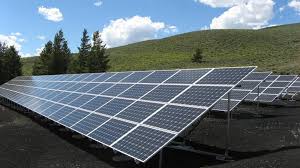
Pakistan’s solar industry is growing fast, and net metering is the key system that makes solar financially attractive for homes, businesses, and industries.
But most people searching for “net meter price in Pakistan” are actually confused about something important:
❗ You are not just paying for a “meter” — you are paying for the entire net metering approval system + bidirectional meter + processing + installation + utility charges.
This guide explains the real net meter price in Pakistan, hidden costs, process, ROI impact, and expert insights so you don’t get overcharged.
⚡ What Is Net Metering in Pakistan?
Net metering is a billing system where:
- Your solar system produces electricity
- You use it in your home or business
- Extra electricity is sent to the national grid
- You receive credits on your electricity bill
💡 Simple meaning:
You “sell” extra electricity back to WAPDA/utility and reduce your bill.
💰 Net Meter Price in Pakistan (2026 Real Cost)
There is no single fixed price, but based on market and installation data:
🔌 Official & Basic Costs
- Bi-directional meter (device cost): PKR 18,000 – 55,000
- Government/processing fees: PKR 10,000 – 25,000
🧾 Total Net Metering Installation Cost (Most Important)
✔️ Complete system (including processing + installation):
- Small systems (3–5kW): PKR 80,000 – 120,000
- Medium systems (10kW): PKR 100,000 – 200,000
- Large systems (15kW+): PKR 150,000 – 250,000+
💡 Market reality:
Most solar companies offer “net metering packages” that bundle:
- Application processing
- Documentation
- WAPDA approval handling
- Meter installation coordination
- Technical inspection support
📦 What You Are Actually Paying For
Many users think they are only paying for a meter — but in reality, cost includes:
1. Bi-Directional Smart Meter
Tracks:
- Electricity you consume (import)
- Electricity you export (solar surplus)
2. Application Processing
- DISCO paperwork (LESCO, MEPCO, IESCO, etc.)
- Technical documents
- Wiring diagrams
3. Inspection & Approval
- Site inspection by WAPDA team
- Compliance check
4. Installation Charges
- Meter fitting
- Safety upgrades
- Electrical adjustments
5. Service/Installer Fee
- Company handling your full approval process
⚙️ How Net Metering Works (Simple Breakdown)
- Solar panels generate electricity during the day
- Home uses solar electricity first
- Extra electricity goes to the grid
- At night, you use grid electricity
- Bill adjusts based on exported units
💡 Result:
Your bill can reduce by 60% to 90% depending on system size and usage pattern
📊 Net Metering Cost vs Solar System Cost
Important clarification:
| Item | Cost Range |
|---|---|
| Solar panels + system | PKR 500,000 – 2,500,000+ |
| Net meter setup | PKR 80,000 – 200,000 |
| Total solar system | PKR 600,000 – 2,800,000+ |
📌 Net metering is only a small part of the total solar investment, but it has a BIG impact on ROI.
📈 ROI Impact of Net Metering
Without net metering:
- Excess electricity is wasted or unpaid
With net metering:
- Every extra unit adds value
- Faster payback period
Average ROI in Pakistan:
- Residential systems: 3–5 years
- Commercial systems: 2.5–4 years
💡 Expert insight:
Net metering is what converts solar from “backup power” into a real financial investment system.
⚠️ Hidden Costs People Don’t Know
Many users get surprised by additional charges:
1. Service Charges by Installers
- Some companies charge high “processing fees”
2. WAPDA Inspection Delays
- Delays can indirectly increase project cost
3. Wiring Upgrades
- Older homes may require electrical upgrades
4. Phase Upgrade (Single to Three Phase)
- Required for larger systems
🧠 Expert Advice (Very Important)
✔️ Don’t choose cheapest net meter service
Cheap packages often result in:
- Delays in approval
- Rejection due to documentation issues
- Poor wiring compliance
- Re-inspection charges
✔️ Always verify:
- Company experience with DISCO approvals
- Previous net metering projects
- Proper documentation support
- Wiring compliance standards
🏠 Who Should Install Net Metering?
Ideal users:
- Homes using 300+ units/month
- Shops and commercial buildings
- Schools and clinics
- Factories with daytime usage
💡 Best efficiency occurs when:
Solar usage matches daytime consumption
📉 Common Mistakes Buyers Make
❌ Assuming net meter = fixed price
It varies by:
- Region (LESCO, MEPCO, etc.)
- System size
- Installer charges
❌ Ignoring approval time
Approval can take:
- 2 to 8 weeks depending on DISCO
❌ Not planning system size correctly
Oversizing reduces ROI under new policies
🌍 Future of Net Metering in Pakistan
The system is evolving:
- More strict regulations
- Possible shift to net billing models
- Higher focus on grid stability
- More documentation requirements
💡 Trend insight:
Solar is still growing, but policy compliance is becoming more important than before
📌 Final Expert Verdict
Net meter price in Pakistan (2026):
👉 PKR 80,000 – 200,000+ depending on system size and installation complexity
Key takeaways:
- It is not just a meter — it is a full approval system
- Biggest value comes from bill savings, not device cost
- Proper installation ensures faster ROI
- Professional handling reduces delays and rejection risk
💡 Final insight:
Net metering is the difference between slow solar payback and fast financial return in Pakistan’s energy market.

 English
 Arabic
 French
 Spanish
 Portuguese
 Deutsch
 Dutch
Dutch
 Italiano
 Russian
 Romaian
 Portuguese (Brazil)
 Greek
Greek