


Pancake Optical Module: The Technology Making VR Headsets Smaller and Smarter
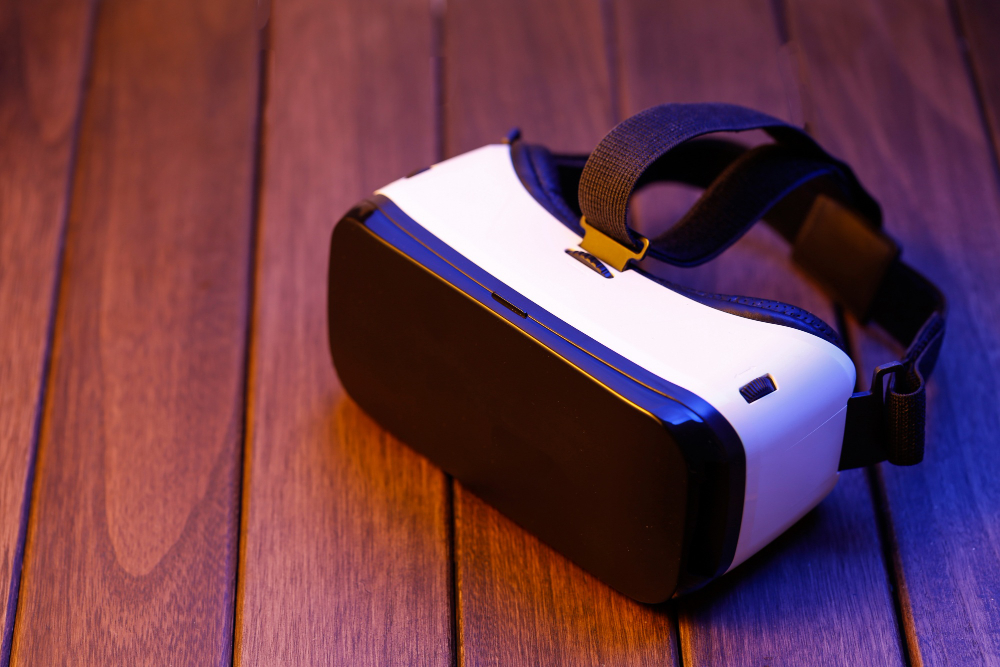
Virtual Reality (VR) and Augmented Reality (AR) devices are becoming more powerful every year. Users want headsets that provide excellent image quality while remaining lightweight and comfortable to wear. To meet these demands, manufacturers are adopting advanced optical technologies such as the Pancake Optical Module.
A Pancake Optical Module is an innovative optical system designed to reduce the size and weight of VR and AR headsets. It uses a folded light path to create compact devices without sacrificing visual performance. This technology is now considered one of the most important developments in next-generation immersive displays.
In this article, we will explain what a Pancake Optical Module is, how it works, its benefits, applications, and why it is becoming a key technology in the future of VR and AR.
What Is a Pancake Optical Module?
A Pancake Optical Module is an optical system that uses multiple lenses and reflective surfaces to fold the light path inside a headset.
Traditional VR headsets require a long distance between the display and the lens. Pancake optics shorten this distance by reflecting light multiple times within the optical system.
As a result, manufacturers can create:
- Slimmer headsets
- Lighter devices
- Better-balanced designs
- More comfortable wearable products
The technology is widely used in modern VR and mixed reality devices.
How Does a Pancake Optical Module Work?
A Pancake Optical Module works by folding light between optical components before it reaches the user's eyes.
The process usually includes:
- A display panel generates an image.
- Light passes through polarized optical elements.
- The light reflects multiple times inside the module.
- Lenses focus the image toward the user's eyes.
Because the light path is folded, the optical distance becomes longer without increasing the physical size of the device.
This allows manufacturers to design compact headsets with high-quality visuals.
Main Components of a Pancake Optical Module
Display Panel
The display creates the images seen by the user.
Common display technologies include:
- Micro OLED
- LCD
- MicroLED
Polarization Elements
These components help control light reflections within the optical system.
Reflective Surfaces
Mirrors or reflective coatings fold the light path to reduce overall device thickness.
Precision Lenses
The lenses focus and optimize image quality for comfortable viewing.
Key Features of Pancake Optical Modules
Compact Design
One of the biggest advantages is the ability to reduce headset size significantly.
Lightweight Structure
Smaller optical systems help reduce the weight of VR and AR devices.
Improved User Comfort
Lighter headsets are more comfortable during extended use.
High Image Quality
Modern Pancake Optical Modules support sharp images and excellent visual performance.
Better Industrial Design
Manufacturers gain greater flexibility when designing sleek and modern products.
Benefits of Using a Pancake Optical Module
Thinner Headsets
Traditional optical systems require more space. Pancake optics help create slimmer products.
Enhanced Portability
Compact devices are easier to carry and use in different environments.
Improved Wearability
Users can wear lightweight headsets for longer periods without discomfort.
Advanced Visual Experiences
Pancake modules support high-resolution displays and immersive viewing experiences.
Future-Ready Technology
Many leading VR and AR manufacturers are investing heavily in Pancake optical systems.
Applications of Pancake Optical Modules
Virtual Reality Headsets
The technology is widely used to create compact VR devices with improved ergonomics.
Mixed Reality Devices
Mixed reality systems combine digital and real-world content, requiring advanced optical solutions.
Augmented Reality Products
Some AR devices use Pancake optics to reduce size while maintaining image quality.
Enterprise Solutions
Businesses use VR and AR technologies for:
- Training
- Product design
- Remote collaboration
- Simulation systems
Educational Applications
Students can benefit from immersive learning experiences powered by advanced optical modules.
Pancake Optical Module vs Traditional Optical Systems
| Feature | Pancake Optical Module | Traditional Optical System |
|---|---|---|
| Headset Thickness | Thin | Thick |
| Device Weight | Lightweight | Heavier |
| User Comfort | High | Moderate |
| Optical Path | Folded | Direct |
| Design Flexibility | Excellent | Limited |
| Modern VR Compatibility | High | Standard |
This comparison shows why Pancake optics are becoming increasingly popular.
Challenges of Pancake Optical Modules
Although the technology offers many benefits, there are some challenges.
More Complex Design
Pancake optical systems require precise engineering and manufacturing.
Higher Production Costs
Advanced optical components can increase manufacturing expenses.
Light Efficiency Considerations
Multiple reflections may reduce some light intensity, requiring brighter display panels.
Despite these challenges, the advantages often outweigh the limitations.
Why the VR Industry Is Adopting Pancake Optics
The VR industry is moving toward devices that are:
- Smaller
- Lighter
- More comfortable
- More visually advanced
Pancake Optical Modules help manufacturers achieve these goals while delivering immersive experiences.
As consumer expectations continue to grow, compact optical solutions are becoming essential.
Future of Pancake Optical Module Technology
The future of Pancake optics looks very promising.
Expected developments include:
- Higher optical efficiency
- Improved brightness
- Better display integration
- Smaller device sizes
- Enhanced mixed reality capabilities
These advancements will help accelerate the adoption of VR and AR technologies worldwide.
Industries Benefiting from Pancake Optical Modules
Consumer Electronics
Manufacturers are developing next-generation headsets for gaming and entertainment.
Healthcare
Medical professionals use immersive systems for training and visualization.
Manufacturing
Companies use VR for design reviews and operational training.
Education
Students gain access to interactive learning environments.
Defense and Simulation
Advanced simulation systems benefit from lightweight and high-performance optical designs.
Conclusion
The Pancake Optical Module is helping transform the future of virtual and augmented reality. By folding the optical path and reducing headset size, this technology allows manufacturers to create lighter, thinner, and more comfortable wearable devices.
Its ability to support high-quality visuals while improving user comfort has made it one of the most important innovations in modern VR and AR development. As immersive technologies continue to grow, Pancake Optical Modules will play a key role in delivering the next generation of smart visual experiences.

 Arabic
 French
 Spanish
 Portuguese
 Deutsch
 Turkish
 Dutch
Dutch
 Italiano
 Russian
 Romaian
 Portuguese (Brazil)
 Greek
Greek