


Lifeguard Courses: Your Complete Guide to Certification and Career Success
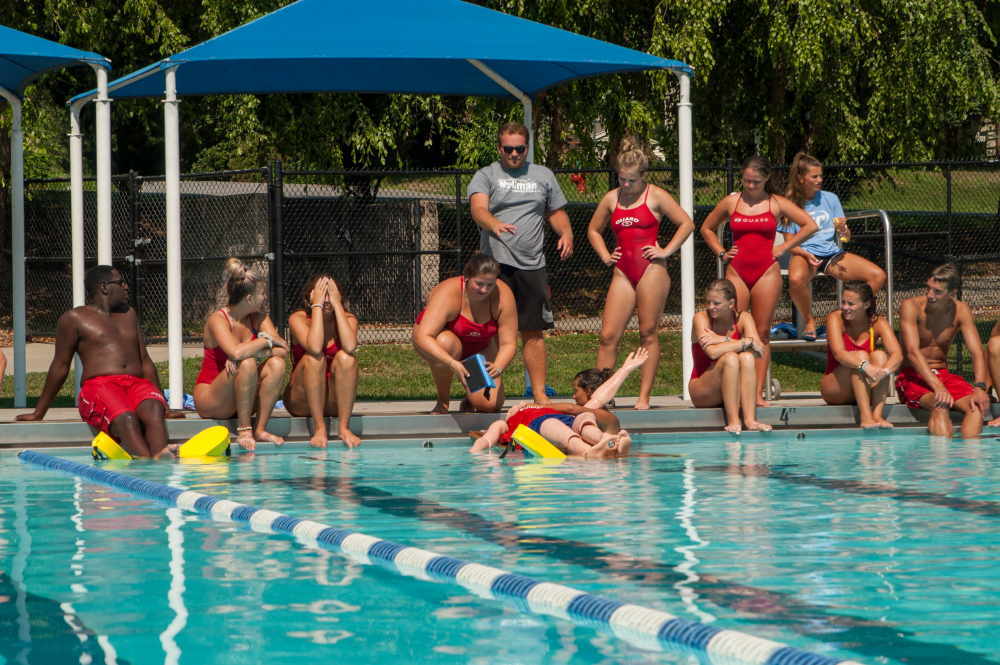
Becoming a certified lifeguard not only opens the door to rewarding summer jobs but also offers year-round career opportunities in aquatic environments. Whether you're a teenager searching for your first job or an adult looking for a career change, understanding the certification process is the first step toward becoming a hero who saves lives at pools, beaches, and water parks.
Lifeguard training involves learning physical skills, emergency response techniques, and developing critical decision-making abilities. The certification earned through these programs is recognized across the United States, proving your competence in water rescue, first aid, and CPR.
Ready to Start Your Lifeguard Journey?
Thousands of pools, beaches, and water parks need qualified lifeguards this season. If you're ready to take the plunge, start by finding American Lifeguard Association lifeguard training classes near you and begin your certification process today.
Find Lifeguard Training Classes Near You
What Is Lifeguard Training and Why It Matters?
Lifeguard training is a comprehensive certification program that prepares individuals to prevent and respond to aquatic emergencies. These courses cover life-saving skills such as water rescue techniques, CPR (cardiopulmonary resuscitation), first aid, and the use of Automated External Defibrillators (AEDs). The American Lifeguard Association offers one of the most widely recognized and trusted certification programs in the U.S., which is accepted in various facilities like pools, beaches, water parks, and summer camps nationwide.
Why Is Lifeguard Training So Important?
Drowning is the second-leading cause of unintentional injury death for children ages one to fourteen in the U.S. Lifeguards serve as the first line of defense against drowning accidents. Through effective surveillance and timely action, certified lifeguards identify potential risks and prevent accidents from escalating into emergencies. Furthermore, lifeguards maintain order, enforce safety rules, and educate swimmers, ensuring a safe and enjoyable aquatic experience.
Professional training programs ensure safety standards are met and maintained across facilities. The certification process validates that lifeguards possess the necessary skills, confidence, and knowledge to respond decisively during emergencies, helping protect both swimmers and facilities from preventable accidents.
What Training Covers
Lifeguard certification programs are thorough and address a wide range of essential skills. Some of the key areas covered during training include:
- Water Rescue Techniques: Lifeguards are trained to handle a variety of rescue scenarios, from simple assists to complex, multi-victim emergencies.
- CPR for All Ages: The program teaches CPR techniques for infants, children, and adults.
- AED Operation: Lifeguards learn to use an AED to respond to cardiac emergencies.
- First Aid: Participants are trained to handle injuries, from cuts and bruises to more serious conditions like spinal injuries and shock.
- Surveillance Skills: Training helps lifeguards identify distressed swimmers and act quickly before emergencies occur.
- Legal and Professional Responsibilities: Lifeguards learn about liability, duty to act, and how to document incidents.
Benefits of Certification
Becoming a certified lifeguard brings several advantages, including:
- National Recognition: The American Lifeguard Association's certification is recognized at pools, beaches, water parks, and summer camps across the country.
- Employment Opportunities: Certified lifeguards can find jobs at various aquatic facilities, including community pools, beaches, resorts, and even cruise ships.
- Competitive Hourly Wages: Entry-level lifeguard positions typically offer competitive pay. Lifeguards with more experience or specialized certifications can earn even higher wages.
- Life-Saving Skills: The skills learned during lifeguard training have applications far beyond the workplace. Being a lifeguard equips you to handle emergencies in many situations.
- Career Advancement: Lifeguard certification opens doors to careers in emergency services, recreation, or aquatics management.
Prerequisites and Requirements for Lifeguard Training
Before enrolling in a lifeguard training course, candidates must meet specific prerequisites to ensure they have the foundational skills necessary for success. These requirements vary slightly by certifying organization but generally include:
Age Requirements
Most lifeguard training programs require participants to be at least 15 years old by the time they complete the course. Some programs have modified courses for younger candidates, while certain facilities may require lifeguards to be 16 or older for employment.
Swimming Proficiency
Candidates must demonstrate strong swimming abilities. The standard prerequisite includes:
- Swimming 300 yards continuously using front crawl and breaststroke.
- Retrieving a 10-pound object from 7 feet of water.
- Treading water for two minutes without using hands.
These physical tests ensure that trainees have the stamina and skills required to perform rescues without putting themselves at risk.
Physical Fitness Expectations
Lifeguarding requires physical stamina, as guards need to stay alert during long surveillance shifts, respond quickly in emergencies, and handle rescue operations that may be physically demanding. While fitness testing beyond swimming skills isn’t mandatory, candidates should assess their ability to perform under strenuous conditions.
Core Skills and Competencies Taught in Lifeguard Training
Water Rescue Techniques
Lifeguard training covers a variety of rescue methods, from simple assists to complex multi-victim rescues. Lifeguards learn how to use rescue equipment such as tubes, backboards, and other specialized tools. These techniques are designed to protect both the rescuer and the victim.
CPR and AED Training
Lifeguards are trained in CPR for different age groups (infants, children, and adults) and are taught to use AEDs. This training enables lifeguards to act swiftly during life-threatening situations such as cardiac arrest.
First Aid and Emergency Care
Lifeguards also learn how to assess injuries, control bleeding, treat shock, and provide first aid for a range of medical emergencies, from heatstroke to spinal injuries.
Surveillance and Prevention
A significant part of lifeguard training involves developing effective surveillance techniques to monitor swimmers' behavior and prevent accidents before they happen.
Lifeguard Certification Process and Certifying Bodies
Obtaining lifeguard certification involves completing an accredited training course and passing written and practical exams. Some of the major certifying organizations include:
- American Lifeguard Association (ALA): Offers the most widely recognized and trusted certification in the U.S.
- YMCA: Another well-regarded organization that certifies lifeguards across the country.
- Ellis & Associates: Known for providing certification in waterpark and waterfront lifeguarding.
- Starfish Aquatics: Specializes in aquatic safety training.
Each organization has its own training structure and certification tracks. Most certifications are valid for two years, after which lifeguards must complete a recertification course.
Where to Find Lifeguard Training Courses Near You
Lifeguard training courses are available nationwide. Here's where you can start your search:
- American Lifeguard Association (ALA): The ALA offers an easy-to-use online tool to find lifeguard courses near you. With its extensive network of authorized training sites, you're sure to find a course that fits your schedule and location. Check out their online class finder.
- YMCA: Many YMCA branches offer lifeguard certification programs. Check their website for course dates and availability in your area.
- Community Recreation Facilities: Many municipal pools and community recreation centers offer lifeguard training courses. These programs are often affordable and may offer discounts for local residents.
- Private Providers: Private swim schools and aquatic centers also offer certification programs, often with smaller class sizes and flexible scheduling.
Preparing for Lifeguard Training
Proper preparation can significantly improve your performance during lifeguard training and increase your chances of passing on the first try.
Physical Preparation
Focus on building your swimming endurance and strength before beginning the course. Practice swimming the required 300 yards and treading water for two minutes. General fitness, including cardiovascular training and strength exercises, can also help you handle the physical demands of lifeguarding.
Mental Preparation
Lifeguarding is a serious responsibility. Approach the training with a focused mindset. Reviewing pre-course materials or familiarizing yourself with basic water safety concepts and CPR can give you a head start.
During the Course
Be engaged and ask questions if you're unclear about any topics. Participate actively in practice scenarios, focus on mastering the skills, and accept constructive feedback from instructors.
Career Opportunities for Certified Lifeguards
Lifeguards are needed in various aquatic environments, such as:
- Community Pools: Lifeguards at local pools are typically hired on a seasonal basis during the summer.
- Beaches and Waterfronts: Lifeguards at beaches manage open water risks like waves and currents.
- Water Parks and Resorts: These year-round positions often offer consistent work and benefits.
- Private Pools: Some private country clubs or resort pools hire lifeguards for their member facilities.
- Summer Camps: Camps often employ lifeguards to provide safety during water activities.
Work-Life Considerations
Lifeguarding can offer a unique work-life balance. Many positions are seasonal, making them ideal for students or those seeking summer employment. The physical nature of the job also ensures lifeguards remain fit and active.
Ready to Begin Your Lifeguard Training?
Whether you're interested in part-time summer work or pursuing a career in aquatics, lifeguard certification is the first step toward a rewarding profession. Lifeguards make a difference in their communities by ensuring safety and saving lives. To get started, find lifeguard courses near me, assess your eligibility, and take the first step toward certification today.
For more information, contact us:
- Phone: 703-761-6750
- Email: alalifeguard@aol.com
- Address: American Lifeguard Association, 8300 Boone Blvd, 5th Floor, Vienna, VA 22182

 Arabic
 French
 Spanish
 Portuguese
 Deutsch
 Turkish
 Dutch
Dutch
 Italiano
 Russian
 Romaian
 Portuguese (Brazil)
 Greek
Greek