


The Importance of Project Management in Building Projects
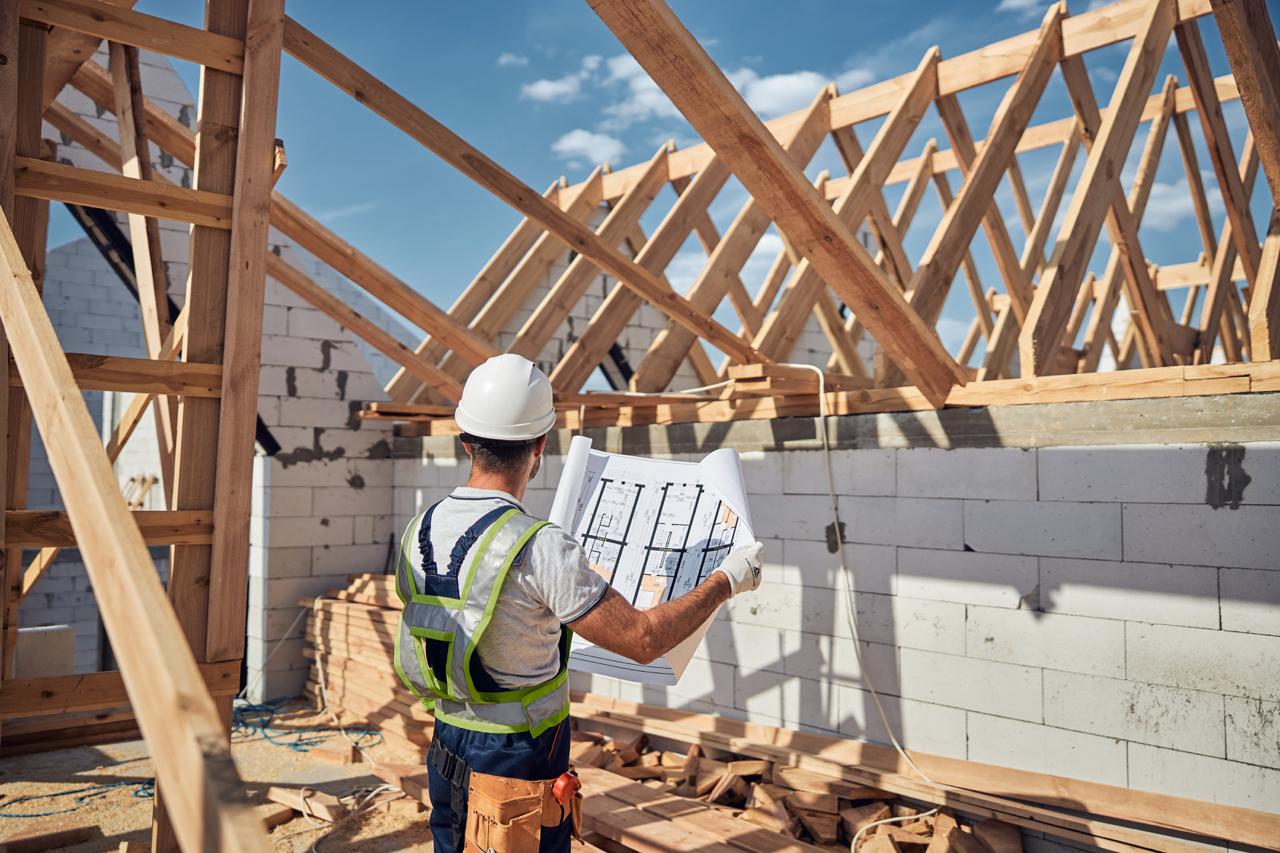
Project management is a structured process that helps homeowners, building owners, landlords and contractors to make sure their building project moves from concept and design to completion in a controlled and goal-oriented manner. In modern construction environments, where timelines are tight, budgets are fixed, and quality expectations are high, effective project management becomes the foundation of successful delivery. It integrates planning, coordination, execution, and monitoring into one continuous workflow that reduces uncertainty and improves decision-making at every stage of the building process.
Construction Project Planning with Clear Goals
Every successful construction project begins with clear objective setting and detailed planning. At this stage, the purpose of the project is defined along with its scope, expected outcomes, and technical requirements. Without this clarity, even well-funded projects can face delays and inefficiencies. Project planning ensures that all stakeholders understand what is being built, why it is being built, and how success will be measured. This stage also includes feasibility assessment, where site conditions, regulations, and structural possibilities are evaluated to confirm whether the project can be executed effectively within the given constraints. Experienced project managers handle all the aspects of commercial and residential design and building projects to provide modern construction management services.
Structured Workflow Planning in Construction Projects
Once objectives are defined, the next critical step is construction scheduling. This involves breaking down the entire project into structured phases, each with specific tasks and deadlines. A well-designed schedule ensures that activities follow a logical sequence, preventing conflicts between trades and minimizing downtime on-site. Scheduling also helps in identifying dependencies between tasks, such as foundation work needing completion before structural framing begins. By maintaining a disciplined workflow, project management ensures that the construction progresses smoothly without unnecessary interruptions or delays.
Cost Control and Construction Budget Management
Financial control is one of the most crucial aspects of project management in building projects. Budgeting ensures that every stage of construction is aligned with financial expectations, reducing the risk of overspending. Cost control involves continuous tracking of material costs, labor expenses, equipment usage, and unexpected expenditures. When properly managed, it allows project teams to make informed financial adjustments before issues escalate. This financial discipline not only protects the project from budget overruns but also ensures better resource optimization throughout the construction lifecycle.
Resource Allocation in Construction Projects
Efficient resource allocation ensures that manpower, materials, and machinery are used effectively at the right time and in the right place. Poor allocation can lead to delays, wastage, or idle labor, all of which negatively impact project performance. In structured project management, resources are assigned based on project priorities and timeline requirements. Skilled labor is scheduled for specialized tasks, materials are delivered according to construction phases, and equipment is deployed where it is most needed. This organized approach ensures that every resource contributes directly to project progress without unnecessary inefficiencies.
Risk Management and Safety Compliance
Construction projects are exposed to multiple risks, including structural uncertainties, environmental conditions, and safety hazards. Effective project management addresses these risks through early identification and mitigation strategies. Risk management involves analyzing potential issues before they occur and developing contingency plans to handle them. Safety compliance is also a core part of this process, ensuring that construction activities follow industry regulations and workplace safety standards. By prioritizing risk control and safety, project management reduces accidents, minimizes legal complications, and ensures uninterrupted progress on-site.
Site Coordination and Clear Communication
Strong communication and coordination are essential for smooth construction operations. Multiple teams, including engineers, contractors, architects, and suppliers, must work in sync to avoid delays and misunderstandings. Project management establishes a clear communication structure where information flows efficiently between all stakeholders. Site coordination ensures that each team understands its responsibilities and works according to the planned schedule. This level of organization prevents confusion, reduces errors, and maintains consistent progress throughout the construction process.
Quality Assurance and Construction Standards
Maintaining quality is a continuous responsibility in building projects. Project management ensures that every stage of construction meets predefined standards and specifications. Quality assurance involves regular inspections, material testing, and performance evaluations to ensure structural integrity and durability. By maintaining strict quality control measures, project managers prevent costly rework and ensure that the final structure meets both safety requirements and client expectations. Consistent monitoring throughout the project lifecycle guarantees long-term reliability and performance of the building.
Timeline Management
Timely completion is one of the most visible indicators of successful project management. Delays in construction can lead to increased costs, contractual issues, and reduced client satisfaction. Timeline management ensures that each phase of the project progresses according to the planned schedule. This includes monitoring daily activities, adjusting workflows when necessary, and resolving bottlenecks quickly. By maintaining strict control over timelines, project management ensures that the final delivery aligns with agreed deadlines without compromising quality or safety.
Project Completion and Handover Process
The final stage of construction project management focuses on project completion and handover. This includes final inspections, documentation, and verification that all project requirements have been met. A structured handover process ensures that the client receives a fully functional, safe, and compliant building. It also includes the transfer of operational knowledge, maintenance guidelines, and technical details necessary for long-term use. Proper closure of the project reflects the effectiveness of the entire management process and ensures client satisfaction through successful delivery.
Conclusion
Project management is the backbone of every successful building project, bringing structure, control, and clarity to an otherwise complex process. From initial planning to final handover, it ensures that every stage is executed with precision, efficiency, and accountability, resulting in safe, cost-effective, and high-quality construction outcomes.

 English
 Arabic
 French
 Portuguese
 Deutsch
 Turkish
 Dutch
Dutch
 Italiano
 Russian
 Romaian
 Portuguese (Brazil)
 Greek
Greek