


Top 5 Tips for Choosing Gym Shorts for Cardio Workouts
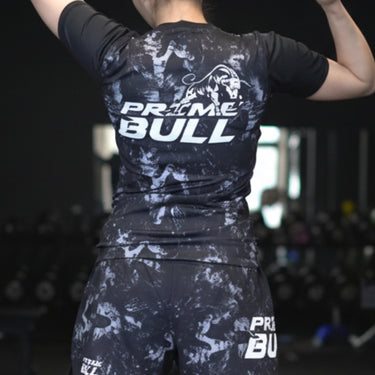
Gym shorts designed for cardio workouts play a critical role in athletic performance, comfort, and injury prevention. Cardio exercises—such as running, cycling, HIIT training, and treadmill sessions—place sustained demands on the lower body, requiring apparel that supports unrestricted movement, temperature regulation, and moisture management.
In sportswear engineering, gym shorts are evaluated based on fabric composition, breathability, stretch recovery, seam construction, and ergonomic fit. Poorly designed shorts can lead to chafing, overheating, restricted mobility, and reduced workout efficiency. Conversely, well-constructed athletic shorts enhance endurance, support biomechanics, and improve overall exercise experience.
This article presents a structured, expert-informed breakdown of the top five considerations when selecting mens exercise shorts for cardio training, along with best practices, common mistakes, and frequently asked questions to support informed decision-making.
1. Fabric Technology and Breathability
One of the most important factors in selecting cardio-focused gym shorts is fabric composition.
Technical Requirements
Modern athletic shorts are typically engineered using:
-
Polyester blends (lightweight, moisture-wicking)
-
Spandex/elastane (stretch and flexibility)
-
Nylon (durability and abrasion resistance)
These synthetic fibers are preferred in performance wear because they allow rapid moisture evaporation, reducing heat buildup during sustained cardiovascular activity.
Moisture-Wicking Mechanism
Moisture-wicking fabrics use capillary action to pull sweat away from the skin and disperse it across the fabric surface for faster drying. This helps regulate body temperature and reduces the risk of skin irritation.
2. Fit and Range of Motion
Fit is a critical biomechanical factor in cardio performance.
Performance Fit Categories
-
Compression fit: Supports muscle stability and reduces vibration during high-impact movement.
-
Athletic/regular fit: Balanced mobility and airflow for general cardio training.
-
Relaxed fit: Prioritizes ventilation but may introduce excess fabric drag.
Movement Efficiency
Well-fitted exercise shorts women must allow:
-
Full hip flexion and extension
-
Unrestricted stride length during running
-
Minimal fabric resistance during lateral movements
In professional sportswear design, pattern engineering is used to align seams with muscle movement pathways, reducing friction and optimizing mobility.
3. Length and Inseam Selection
Short length significantly impacts comfort, airflow, and functional performance.
Standard Inseam Guidelines
-
3–5 inches: High-intensity training, sprinting, HIIT
-
5–7 inches: Balanced cardio workouts
-
7–9 inches: General fitness and treadmill sessions
Shorter inseams generally improve ventilation and stride efficiency, while longer inseams provide additional coverage and modesty for low-to-moderate intensity workouts.
4. Moisture Management and Heat Regulation
Cardio workouts elevate core body temperature, making thermoregulation essential.
Key Features
-
Mesh ventilation panels
-
Laser-cut perforations
-
Anti-odor antimicrobial treatments
-
Quick-dry coatings
These features help maintain thermal balance by improving evaporative cooling efficiency.
Sweat Control Engineering
Advanced athletic shorts often integrate hydrophobic fibers that repel moisture from the inner surface while allowing outward evaporation. This dual-layer moisture control system reduces discomfort during prolonged exercise sessions.
5. Functional Design Elements
Beyond fabric and fit, structural design plays a major role in usability.
Essential Functional Features
-
Zippered pockets (secure storage during running)
-
Elastic waistbands with adjustable drawstrings
-
Flatlock seams (reduces chafing)
-
Reflective detailing (visibility during low-light cardio)
These features are particularly important for outdoor runners and high-mobility training environments where stability and safety are priorities.
Expert Insights & Best Practices
Sportswear professionals and athletic trainers consistently emphasize the following best practices:
-
Prioritize moisture-wicking over aesthetic design
-
Match short length to workout intensity
-
Ensure waistband stability during dynamic movement
-
Choose multi-directional stretch fabrics for HIIT training
-
Avoid heavy cotton materials, which retain sweat and increase friction
In professional athletic conditioning environments, apparel is treated as performance equipment rather than casual wear, reinforcing the importance of technical specifications over style alone.
Common Mistakes or Misconceptions
1. Cotton Shorts Are Suitable for Cardio
Cotton absorbs moisture and becomes heavy, increasing discomfort and friction-related irritation.
2. One Fit Works for All Workouts
Different cardio activities require different mobility ranges and compression levels.
3. Shorter Always Means Better Performance
While shorter shorts improve airflow, excessively short designs may compromise comfort and coverage during high-impact movements.
4. Pocket Design Is Unimportant
Loose or unstructured pockets can create imbalance and distraction during running.
5. Style Overrides Function
In professional fitness contexts, functional engineering consistently outweighs aesthetic considerations.
Conclusion
Selecting gym shorts for cardio workouts requires a balance of fabric engineering, ergonomic fit, moisture management, and functional design. Performance-oriented athletic apparel is developed to optimize thermoregulation, movement efficiency, and comfort under sustained physical exertion.
For structured product exploration, professionally engineered options such as those found in collections of mens exercise shorts provide performance-focused designs tailored for training demands, while exercise shorts women are developed with gender-specific fit architecture and mobility considerations.
Ultimately, informed selection based on technical specifications ensures improved workout efficiency, reduced injury risk, and enhanced long-term training consistency.
FAQs
1. What makes gym shorts suitable specifically for cardio workouts?
Cardio-specific gym shorts are designed with lightweight fabrics, moisture-wicking properties, and flexible construction to support continuous movement and heat regulation.
2. How important is fabric choice in performance shorts?
Fabric choice is critical because it directly affects sweat management, breathability, and mobility efficiency during exercise.
3. What inseam length is best for running and HIIT training?
Shorter inseams (3–5 inches) are typically preferred for high-intensity cardio due to improved range of motion and ventilation.
4. Are compression shorts better for cardio workouts?
Compression shorts may enhance muscle support and reduce fatigue during high-impact activities, but comfort preference varies by individual athlete.
5. Why is moisture-wicking technology important?
It helps regulate body temperature by drawing sweat away from the skin and accelerating evaporation, reducing overheating and discomfort.
6. Can poor-quality gym shorts affect performance?
Yes, restrictive or non-breathable shorts can lead to chafing, overheating, and reduced movement efficiency.
7. What features should runners prioritize in gym shorts?
Runners often prioritize lightweight construction, secure pockets, breathable fabric, and anti-chafing seams.

 English
 Arabic
 French
 Spanish
 Portuguese
 Turkish
 Dutch
Dutch
 Italiano
 Russian
 Romaian
 Portuguese (Brazil)
 Greek
Greek