


Top Trends in Industrial Workwear for Modern Industries.
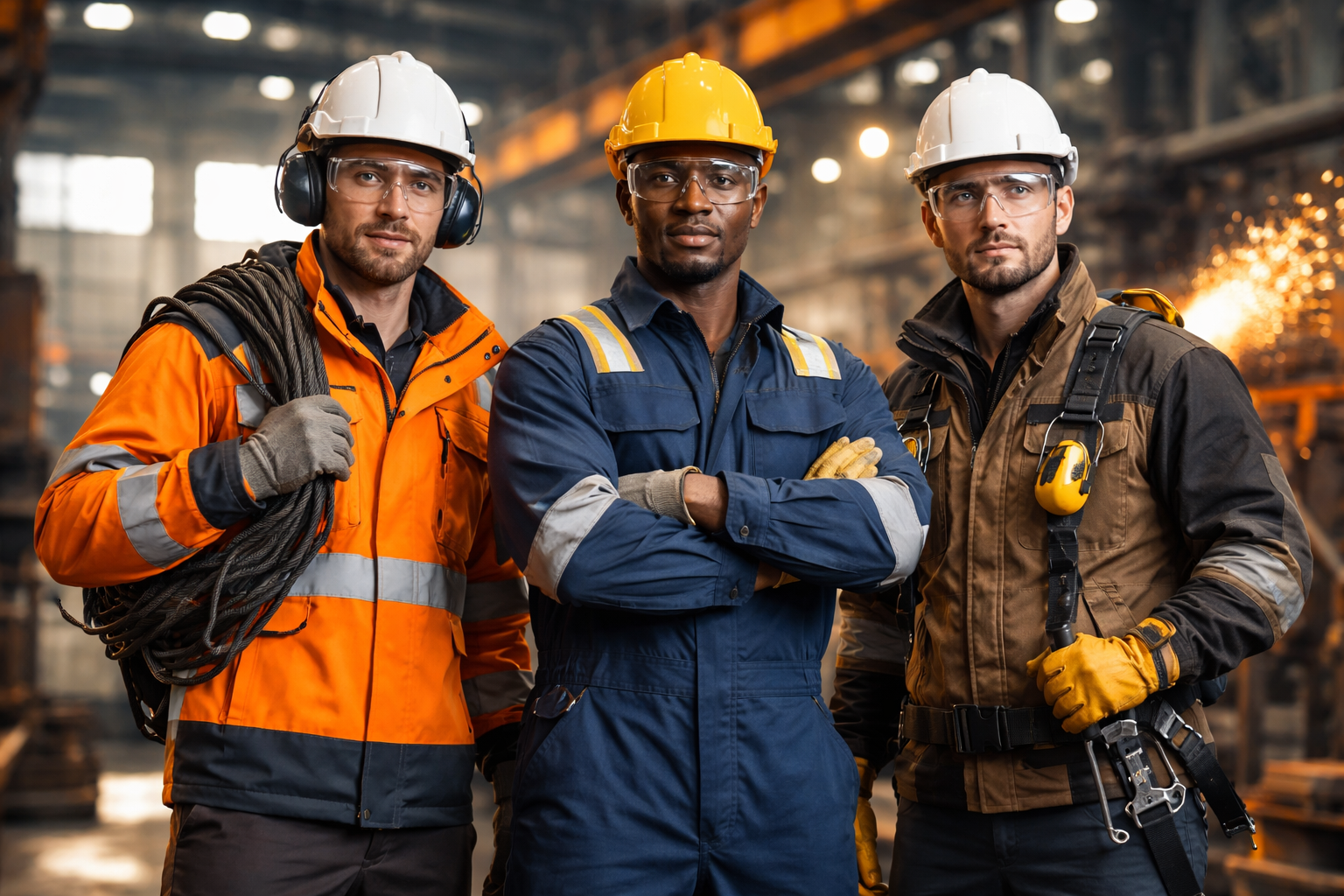
Workplace safety is a top priority across industries such as construction, manufacturing, oil and gas, and logistics. Employees in these sectors face daily risks—from heavy machinery and hazardous chemicals to extreme temperatures and sharp objects.
From construction sites and manufacturing plants to oil & gas industries and logistics operations, the right clothing is not just a uniform; it’s a critical tool that protects workers and enhances performance. Industrial workwear plays a vital role in modern workplaces where safety, durability, and efficiency are essential.
In this article, we’ll explore what industrial workwear is, why it matters, and how it directly improves workplace safety and productivity. We’ll also highlight how professional providers like Armillary offer high-quality solutions tailored to industry needs.
Understanding Industrial Workwear
Industrial workwear refers to specialized clothing and protective gear designed for workers in high-risk environments. This includes items such as:
- Safety helmets
- High-visibility jackets
- Flame-resistant clothing
- Protective gloves
- Steel-toe boots
- Coveralls and uniforms
Each piece of workwear is engineered to address specific risks, ensuring that workers remain protected while performing their tasks efficiently.
1. Protection Against Physical Injuries
One of the primary roles of industrial workwear is to protect workers from physical injuries. In industries where heavy machinery and tools are used, the risk of cuts, abrasions, and impacts is high.
For example:
- Steel-toe boots protect feet from falling objects
- Reinforced gloves prevent cuts and burns
- Durable coveralls shield the body from sharp edges
By reducing the severity of injuries, industrial workwear helps maintain a safer workplace and minimizes downtime caused by accidents.
2. Enhanced Visibility in Hazardous Environments
Low visibility is a major cause of workplace accidents, especially in construction sites and roadwork zones. High-visibility industrial workwear, such as reflective jackets and vests, ensures that workers are easily seen, even in low-light conditions.
This is particularly important for:
- Night shifts
- Foggy or dusty environments
- High-traffic work zones
Improved visibility significantly reduces the chances of collisions and accidents, protecting both workers and equipment operators.
3. Protection from Chemical and Environmental Hazards
In industries dealing with chemicals, workers are exposed to harmful substances that can cause serious health issues. Industrial workwear made from specialized materials acts as a barrier against these hazards.
Examples include:
- Chemical-resistant suits to prevent skin contact
- Waterproof clothing for wet environments
- Dust-resistant fabrics to reduce inhalation risks
Additionally, workwear designed for extreme weather conditions helps protect workers from heat stress, cold exposure, and UV radiation.
4. Fire and Heat Resistance
In sectors such as welding, oil and gas, and electrical work, exposure to flames and high temperatures is a constant risk. Flame-resistant industrial workwear is designed to resist ignition and prevent burns.
These garments:
- Self-extinguish when exposed to flames
- Reduce heat transfer to the skin
- Provide critical seconds for workers to react in emergencies
This level of protection can be life-saving in hazardous situations.
5. Improved Hygiene and Contamination Control
Industrial workwear also plays a key role in maintaining hygiene and preventing contamination, especially in industries like food processing and pharmaceuticals.
Proper uniforms:
- Prevent the spread of contaminants
- Protect products from external impurities
- Maintain cleanliness standards
This not only ensures worker safety but also protects the integrity of products and processes.
6. Boosting Worker Confidence and Productivity
When workers feel safe, they perform better. Wearing appropriate industrial workwear gives employees confidence, allowing them to focus on their tasks without constant fear of injury.
Benefits include:
- Increased efficiency
- Reduced stress levels
- Higher job satisfaction
A safe workforce is a productive workforce, and industrial workwear contributes significantly to this equation.
7. Compliance with Safety Regulations
Most industries are governed by strict safety regulations that require the use of protective clothing. Employers must ensure that workers are equipped with the appropriate industrial workwear to comply with these standards.
Failure to comply can result in:
- Legal penalties
- Workplace accidents
- Damage to company reputation
By investing in quality workwear, businesses can meet regulatory requirements and create a safer work environment.
8. Durability and Long-Term Cost Savings
High-quality industrial workwear is designed to withstand harsh conditions, making it a cost-effective investment in the long run.
Durable workwear:
- Reduces the need for frequent replacements
- Minimizes injury-related expenses
- Improves overall operational efficiency
While the initial cost may be higher, the long-term benefits far outweigh the investment.
9. Customization for Industry-Specific Needs
Different industries have unique safety requirements, and industrial workwear can be customized accordingly. For example:
- Construction workers need high-visibility gear
- Chemical workers require protective suits
- Electricians need flame-resistant clothing
This customization ensures maximum protection tailored to specific job roles.
10. Promoting a Culture of Safety
Providing proper industrial workwear sends a strong message that employee safety is a priority. It encourages workers to follow safety protocols and adopt responsible behavior.
A strong safety culture:
- Reduces workplace incidents
- Improves team morale
- Enhances overall organizational performance
Conclusion
Industrial workwear is a crucial component of workplace safety. From protecting against physical injuries and hazardous materials to improving visibility and ensuring compliance, it plays a vital role in reducing workplace hazards.
By investing in high-quality industrial workwear, businesses not only protect their employees but also enhance productivity, reduce costs, and build a safer work environment. In today’s demanding industrial landscape, the importance of proper workwear cannot be overstated.
❓ FAQs
1. Why is industrial workwear important in hazardous workplaces?
Industrial workwear provides essential protection against physical, chemical, and environmental hazards, reducing the risk of injuries and ensuring worker safety.
2. What types of industrial workwear are commonly used?
Common types include helmets, gloves, high-visibility jackets, flame-resistant clothing, protective footwear, and coveralls.
3. How does industrial workwear improve productivity?
When workers feel safe and protected, they can focus better on their tasks, leading to increased efficiency and reduced downtime.
4. How should businesses choose the right industrial workwear?
Businesses should consider the specific hazards of their industry, ensure compliance with safety standards, and invest in high-quality, durable materials for maximum protection.

 English
 Arabic
 French
 Spanish
 Portuguese
 Deutsch
 Turkish
 Dutch
Dutch
 Italiano
 Russian
 Portuguese (Brazil)
 Greek
Greek