


Sports Injury Braces: Complete Guide to Support, Protection, and Recovery
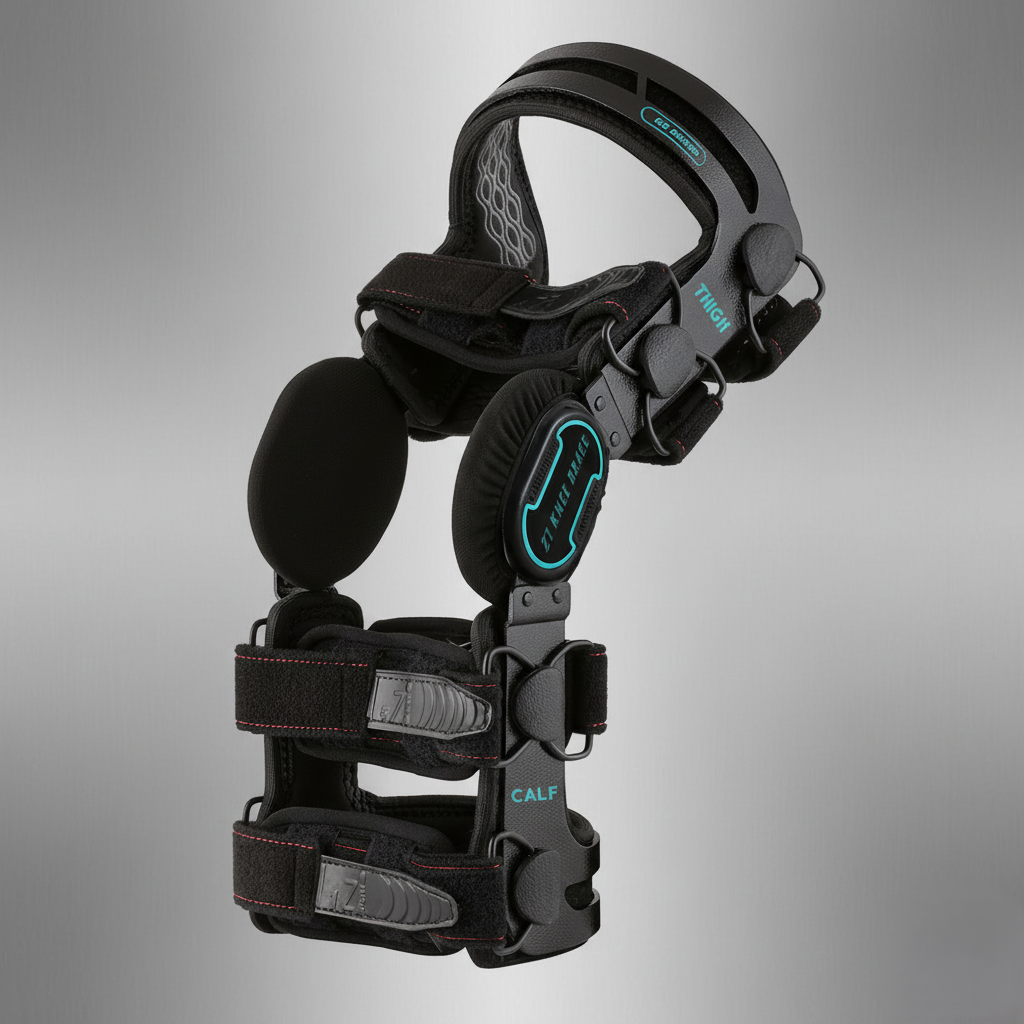
Sports injuries are a common challenge for athletes and fitness enthusiasts alike. Whether you're a professional player or someone who enjoys weekend workouts, injuries like sprains, strains, and ligament tears can disrupt your routine. This is where sports injury braces come into play. They provide stability, reduce pain, and help in faster recovery while preventing further damage.
What Are Sports Injury Braces?
Sports injury braces are supportive devices designed to protect joints, muscles, and ligaments during physical activity or recovery. They are commonly used for areas such as the knee, ankle, wrist, elbow, and shoulder.
These braces work by:
- Stabilizing the injured area
- Limiting harmful movements
- Reducing swelling and inflammation
- Supporting rehabilitation
Types of Sports Injury Braces
1. Knee Braces
Knee injuries are among the most common in sports. Knee braces help with conditions like ACL tears, ligament injuries, and patellar instability. They come in different forms such as hinged braces, compression sleeves, and rigid support braces.
2. Ankle Braces
Ankle braces are ideal for sprains and instability. They provide support during movements like running and jumping, reducing the risk of re-injury.
3. Wrist Braces
Wrist braces are commonly used in sports like tennis, badminton, and weightlifting. They help manage sprains, carpal tunnel syndrome, and tendon injuries.
4. Elbow Braces
These are often used for conditions like tennis elbow or golfer’s elbow. They reduce strain on the tendons and muscles.
5. Shoulder Braces
Shoulder braces provide compression and support for rotator cuff injuries, dislocations, and muscle strains.
Benefits of Using Sports Injury Braces
1. Injury Prevention
Braces provide additional support to weak or previously injured areas, helping prevent future injuries.
2. Pain Relief
Compression and stabilization reduce strain on injured tissues, leading to less pain.
3. Faster Recovery
By limiting harmful movement, braces allow tissues to heal properly and efficiently.
4. Improved Performance Confidence
Athletes feel more confident returning to sports with proper support in place.
How to Choose the Right Sports Injury Brace
Choosing the right brace depends on several factors:
1. Type of Injury
Different injuries require different levels of support. For example:
- Mild sprain → Compression brace
- Ligament tear → Hinged or rigid brace
2. Fit and Comfort
A good brace should fit snugly without cutting off circulation. Breathable materials improve comfort during long use.
3. Activity Level
High-impact sports may require more durable and supportive braces.
4. Doctor’s Recommendation
For serious injuries, always consult a medical professional before selecting a brace.
When Should You Use a Sports Injury Brace?
- During sports activities to prevent injury
- After an injury for support and healing
- During rehabilitation exercises
- When returning to sports after recovery
Tips for Using Sports Braces Effectively
- Always wear the correct size
- Avoid over-tightening
- Clean the brace regularly
- Replace worn-out braces
- Follow professional guidance for long-term use
Conclusion
Sports injury braces are an essential tool for athletes and active individuals. They not only help in recovering from injuries but also play a key role in preventing them. By choosing the right type of brace and using it properly, you can stay active, safe, and confident in your performance.
Whether you're dealing with a minor strain or recovering from a major injury, investing in a quality sports injury brace can make a significant difference in your overall fitness journey.

 Arabic
 French
 Spanish
 Portuguese
 Deutsch
 Turkish
 Dutch
Dutch
 Italiano
 Russian
 Romaian
 Portuguese (Brazil)
 Greek
Greek