


Common Causes of Clogged Drains and How to Fix Them
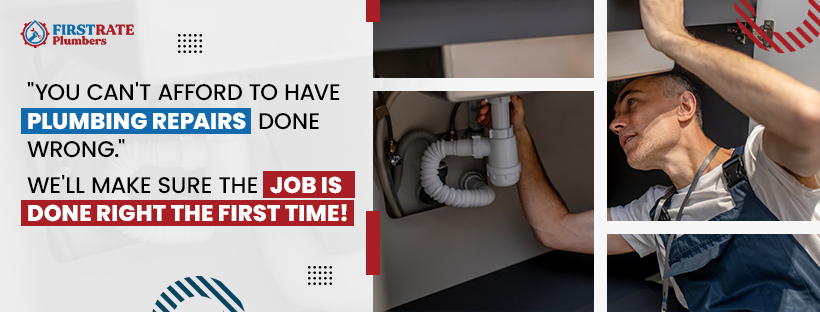
A clogged drain is one of the most common plumbing problems homeowners face. It usually starts small. Water drains slowly. A strange smell appears. Soon the sink or shower stops draining completely.
Many people ignore these early signs. However, small clogs often grow into bigger plumbing issues if left untreated. Understanding what causes these blockages and how to handle them can help you avoid expensive repairs. In some cases, simple steps solve the problem. In others, professional clogged drain repair becomes necessary.
Let’s explore the most common causes of drain blockages and the practical ways to fix them before they turn into major headaches.
Why Drain Clogs Happen So Often
Drains handle a lot of waste every day. Soap, grease, food scraps, hair, and other debris move through your pipes constantly. Over time, these materials build up inside the plumbing system.
When buildup becomes too thick, water can no longer pass through smoothly. That is when slow drains turn into stubborn clogs. Knowing what goes down your drains and how it affects your plumbing helps prevent these problems from happening again.
Hair Buildup in Bathroom Drains
Hair is one of the biggest causes of bathroom drain clogs. Every shower sends loose strands down the drain. Over time, those strands tangle together and trap soap residue and dirt.
Eventually the buildup forms a thick blockage that stops water from flowing freely. Removing visible hair from the drain regularly can help. Installing a simple drain cover also prevents strands from entering the pipe in the first place.
If the clog is deep inside the pipe, professional clogged drain repair may be required to clear the blockage safely.
Grease and Food Waste in Kitchen Sinks
Kitchen drains face a different type of problem. Cooking grease, oils, and food scraps often get washed down the sink.
At first, grease flows easily while it is hot. However, once it cools, it hardens along the inside walls of your pipes. Food particles stick to that layer, slowly forming a thick blockage.
The best solution is simple. Avoid pouring grease into the sink. Instead, let it cool and dispose of it in the trash. This small habit helps keep your pipes clear and prevents costly repairs.
Soap Scum and Mineral Buildup
Soap may seem harmless, but it often leaves behind residue inside pipes. When soap mixes with minerals found in hard water, it creates a thick, chalky layer known as soap scum.
Over time, this buildup narrows the pipe opening. Water drains more slowly and eventually stops flowing altogether.
Regular cleaning and flushing drains with warm water can help remove early buildup. When the blockage becomes severe, professional plumbing services may be needed to restore normal drainage.
Flushing the Wrong Items Down the Toilet
Toilets are designed to handle human waste and toilet paper only. Unfortunately, many people flush wipes, paper towels, hygiene products, or cotton items.
These materials do not break down easily. Instead, they collect inside pipes and create stubborn blockages that stop the toilet from working properly.
When this happens, a professional toilet repair service may be needed to remove the obstruction and restore proper flow.
Tree Roots Invading Sewer Lines
Tree roots naturally search for water sources. Underground sewer lines provide the perfect environment for growth.
Over time, small roots can enter tiny cracks in pipes. As the roots grow larger, they block the pipe completely and prevent wastewater from flowing away from your home.
This type of blockage is more serious and often requires specialized equipment to clear the line and repair the pipe.
Old or Damaged Plumbing Pipes
Older homes sometimes have aging plumbing systems. Over time, pipes corrode, crack, or shift slightly underground.
These structural changes create rough surfaces inside the pipe where debris can easily collect. Even small pieces of waste begin sticking to the pipe walls, slowly forming blockages.
Regular inspections and timely maintenance through professional plumbing services help detect these issues before they become severe.
Small Leaks That Lead to Bigger Problems
Leaks might seem unrelated to clogged drains, but they often contribute to plumbing trouble. A dripping faucet, for example, constantly introduces moisture and mineral buildup inside the system.
Addressing small problems like leaking faucet repair early prevents additional strain on your plumbing and keeps your system running smoothly.
Even minor repairs protect the long-term health of your pipes.
When DIY Fixes Are Not Enough
Some clogs respond well to simple solutions like plungers or drain cleaning tools. However, deeper blockages inside the pipe system require professional help.
Ignoring stubborn clogs can lead to water damage, unpleasant odors, and even pipe bursts. When drains repeatedly back up, calling professionals ensures the issue is properly diagnosed and resolved.
Why Professional Drain Cleaning Matters
Professional plumbers use specialized tools designed to clear pipes safely without damaging the system. These tools remove debris, grease buildup, and other materials that cause blockages.
Regular maintenance keeps water flowing freely and helps prevent sudden plumbing emergencies in your home.
Conclusion
Clogged drains are a common household problem, but they rarely appear without warning. Hair buildup, grease, soap residue, and flushing the wrong items are some of the most frequent causes. By understanding these issues and acting early, homeowners can prevent serious plumbing damage.
When blockages become difficult to remove, First Rate Plumbers connects you with experienced professionals who can handle the job quickly and safely. Whether it is routine maintenance or complex drain issues, reliable help keeps your plumbing system working the way it should.
Don’t Let Drain Problems Disrupt Your Home
Call First Rate Plumbers today.
Fast solutions. Trusted experts. Reliable plumbing support.
FAQs
1. What is the most common cause of drain clogs?
Hair, grease, and soap buildup are the most frequent causes.
2. Can clogged drains damage pipes?
Yes, severe blockages can increase pressure and damage plumbing lines.
3. How can I prevent drain clogs at home?
Avoid pouring grease down drains, and use drain covers to catch debris.
4. When should I call a plumber for drain issues?
If drains keep clogging or water backs up repeatedly.
5. Do professional plumbers clear deep clogs safely?
Yes, they use specialized tools to remove blockages without harming pipes.

 Arabic
 French
 Spanish
 Portuguese
 Deutsch
 Turkish
 Dutch
Dutch
 Italiano
 Russian
 Romaian
 Portuguese (Brazil)
 Greek
Greek