


How to Choose the Right Aircraft for Your Training
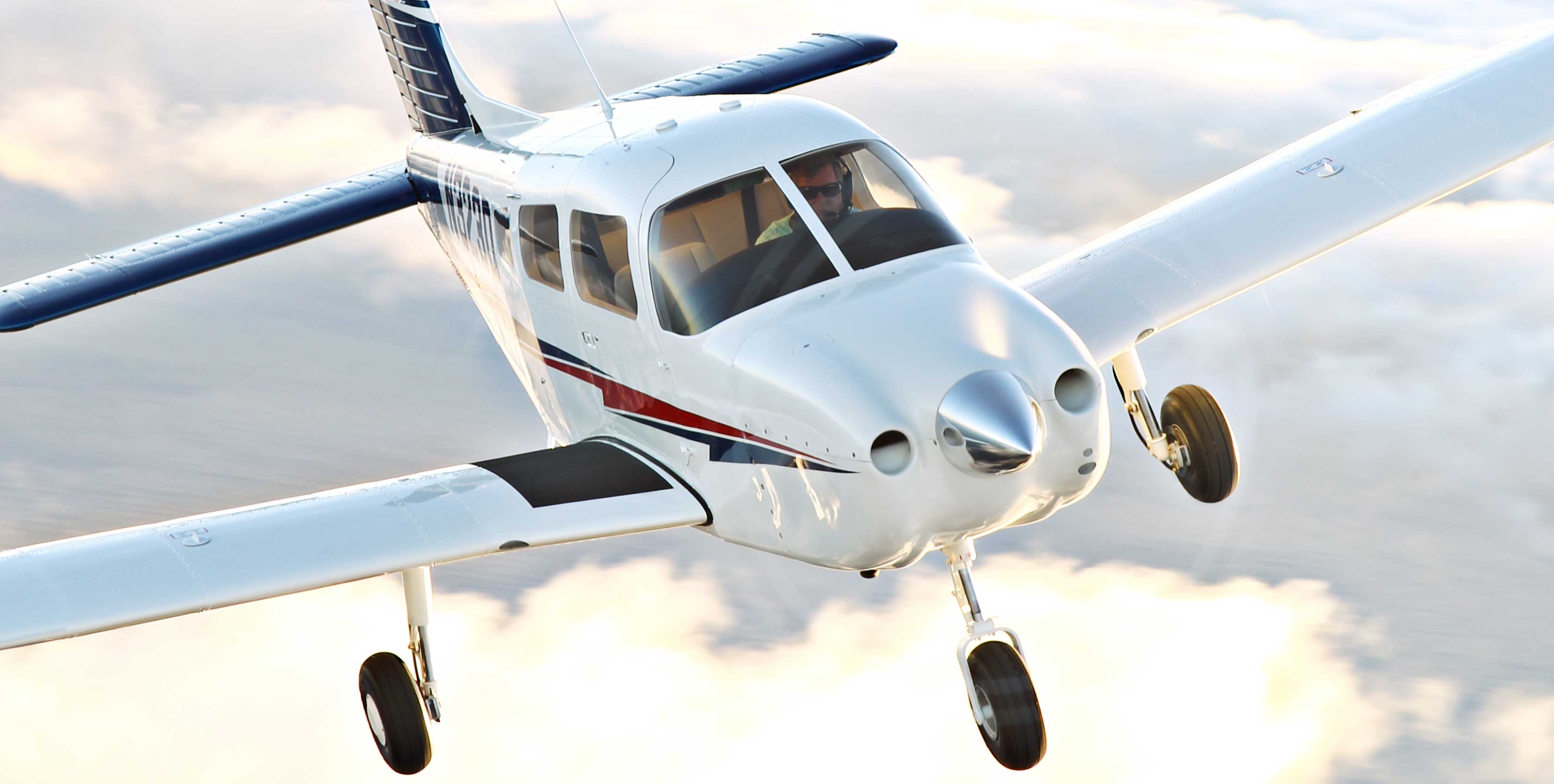
Learning to fly is thrilling, but picking the right aircraft for your training can feel a little overwhelming. You want something safe, reliable, and matched to your goals, whether you’re starting private pilot training or building hours toward commercial certification.
Choosing the right plane isn’t just about wings and engines; it’s about comfort, confidence, and long-term success. Let’s break it down step by step.
Why Choosing the Right Aircraft Matters
Picture this: it’s your first solo flight. Your instructor hands you the keys, and suddenly the aircraft feels unfamiliar or complicated. That stress can take away from the learning experience.
The right aircraft helps you:
-
Build confidence faster
-
Focus on learning instead of struggling with controls
-
Log hours efficiently toward certifications
-
Enjoy each flight
Not every plane fits every pilot. Understanding your options is key to a smoother, safer training experience.
Step 1: Identify Your Training Goals
Before browsing pilot training aircraft options, think about your goals:
-
Private Pilot Training: Start simple. Single-engine aircraft like a Cessna 172 are perfect for first lessons and basic flight maneuvers.
-
Instrument Rating / IFR Training: Aircraft with modern avionics and autopilot systems let you practice safely in more advanced conditions.
-
Commercial Pilot Time Building: Multi-engine aircraft are essential to build hours efficiently and meet licensing requirements.
Knowing your goals narrows your choices to plans that fit your learning path.
Step 2: Consider the Aircraft Type
There are a few main categories:
-
Single-Engine Trainers: Ideal for beginners. Simple, forgiving, and reliable—perfect for mastering takeoffs, landings, and basic navigation.
-
Multi-Engine Trainers: Needed for commercial certifications or multi-engine time building. More complex, but essential for advanced pilot skills.
-
Glass Cockpit / Modern Avionics Aircraft: Equipped with digital displays, autopilot, and navigation aids. Perfect for IFR training or pilots wanting experience with modern systems early.
Match the aircraft type to your training goals and comfort level.
Step 3: Evaluate Maintenance and Safety
Safety is non-negotiable. Check:
-
Maintenance records
-
Insurance coverage requirements
-
Compliance with FAA and local regulations
A well-maintained aircraft lets you focus on learning without worrying about mechanical issues.
Step 4: Factor in Cost and Availability
Rental costs vary depending on aircraft type and features. Consider:
-
Hourly rates
-
Fuel charges
-
Instructor fees (if applicable)
-
Block-time or prepaid packages
Single-engine planes usually cost less per hour than multi-engine aircraft, making them ideal for beginners. Availability is also key; popular aircraft can book up fast, so flexible scheduling and multiple pilot training aircraft options help keep your training on track.
Step 5: Experience Matters
The plane is only part of the equation. Your instructor’s experience is crucial:
-
Familiarity with the aircraft
-
Ability to tailor lessons to your pace
-
Experience in your specific training path (IFR, commercial, multi-engine)
The right guidance ensures your training is safe, efficient, and enjoyable.
Step 6: Make a Decision
Consider your goals, aircraft type, safety, cost, and instructor guidance, then pick your plane. Keep these in mind:
-
Start simple if you’re a beginner
-
Prioritize safety and reliability
-
Factor in long-term goals and certifications
Choosing the right aircraft sets the stage for skill growth and enjoyable flights.
Step 7: Check the Avionics and Equipment
Modern aircraft come with various instruments and navigation tools. Look at:
-
Glass cockpit vs. analog instruments: Digital displays and autopilot are great for IFR training.
-
Navigation aids: GPS, ForeFlight, and other avionics help you practice real-world scenarios.
-
Comfort features: Headsets, iPad mounts, and ergonomic seating make long flights easier.
Right equipment lets you spend more time learning to fly and less time figuring out the controls.
Step 8: Think About Flight Conditions
Not all aircraft handle every weather or terrain. Ask yourself:
-
Will you train mostly in calm local airspace or cross-country?
-
Do you need a plane suitable for day and night flights?
-
Are you planning multi-engine time building or commercial training that requires robust performance?
Matching the aircraft to your usual conditions keeps training safe and smooth.
Step 9: Consider Time-Building Needs
For commercial pilot time building or advanced certifications, think about efficiency:
-
Multi-engine planes let you log advanced hours faster
-
Single-engine planes are great for fundamentals
-
Look for block-time or flexible schedules to maximize flight hours
Time-building strategies help you complete certifications faster without compromising safety.
Step 10: Evaluate Support and Services
Finally, look at the training provider’s support:
-
Experienced instructors available when you need them
-
Convenient scheduling tools
-
Add-ons like headsets, resources, or software support
Good support ensures that choosing the right aircraft leads to confidence, skill, and a memorable flying experience.
Conclusion
Choosing the perfect pilot training aircraft doesn’t have to be stressful. By considering your goals, aircraft type, safety, cost, and instructor support, you can make a smart choice that accelerates your learning and boosts confidence.
Ready to Fly?
Explore your Pilot Training Aircraft Options and start training today! Choose the aircraft that fits your goals and take the first step toward your next flight adventure.
FAQs
-
What is the best aircraft for private pilot training?
Single-engine trainers like the Cessna 172 are ideal for beginners. -
Can I use multi-engine aircraft for commercial training?
Yes, they are essential for multi-engine time building. -
Do I need experience to rent an aircraft?
You must meet FAA requirements and complete a checkout flight. -
How do I choose which pilot training aircraft is right for me?
Consider your goals, skill level, and training path. -
Are all training aircraft properly maintained?
Always verify maintenance and insurance compliance for safety.

 English
 Arabic
 French
 Spanish
 Portuguese
 Deutsch
 Turkish
 Dutch
Dutch
 Italiano
 Russian
 Romaian
 Greek
Greek