


Snagging Guide for Flawless Property Completion
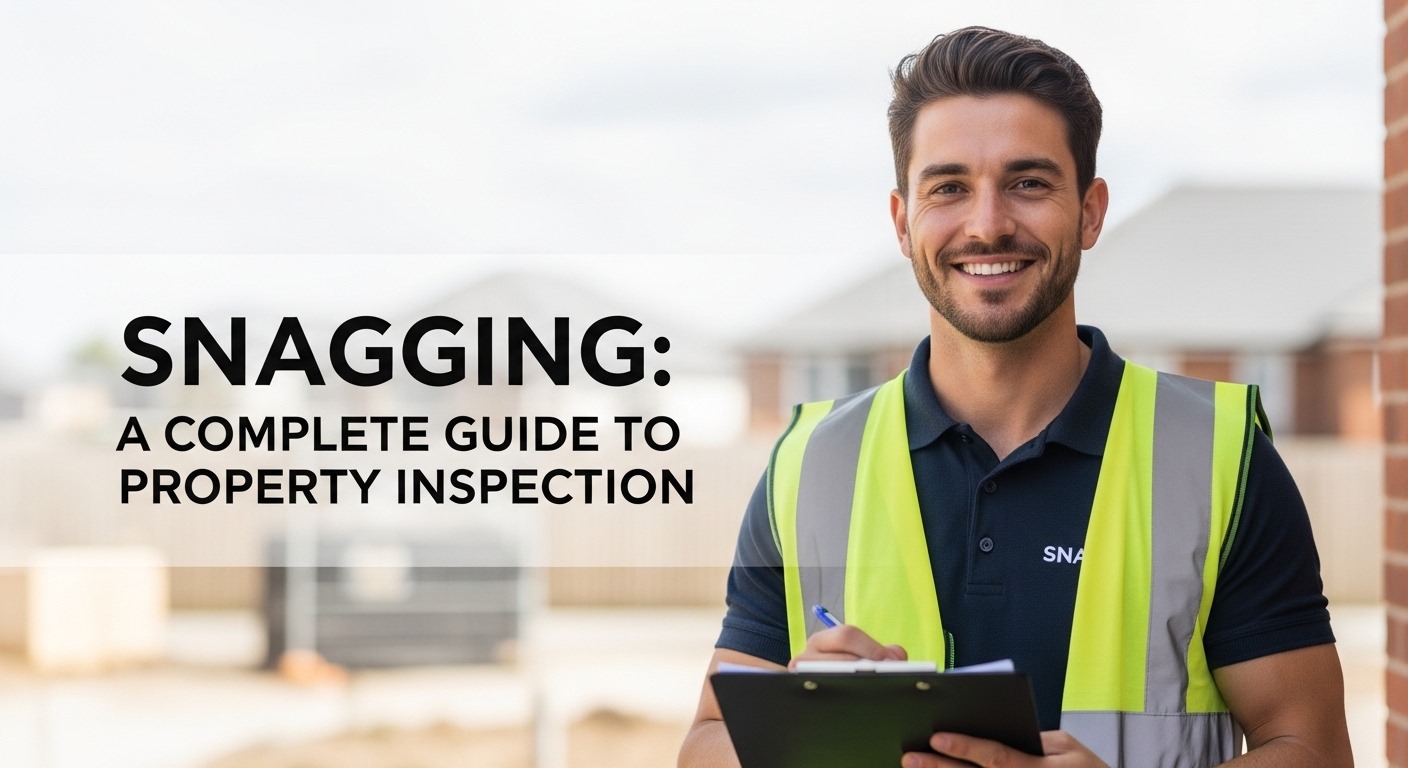
Snagging is a crucial process in the property and construction industry that ensures a newly built or recently renovated property is delivered in the best possible condition. It involves identifying defects, incomplete work, or poor-quality finishes before the property is officially handed over. While new properties are often presented as perfect, small mistakes or overlooked details can occur during construction. Snagging helps detect these issues early so they can be fixed without delay.
For buyers, homeowners, and investors, snagging offers peace of mind and protects their investment. It ensures that the property meets expected standards and is safe, functional, and ready for occupancy. Without proper snagging, minor defects can become major problems that require time and money to repair.
What is Snagging
Snagging refers to the process of carefully inspecting a property to identify defects or unfinished tasks. These issues, known as snags, can include cosmetic imperfections as well as more serious structural or functional concerns.
Once the inspection is complete, a snagging list or report is created. This document outlines all identified problems and is shared with the developer or contractor. The responsibility for fixing these issues usually lies with the builder before or shortly after the handover.
Why Snagging is Important
Snagging plays an important role in ensuring that buyers receive a property that meets quality expectations. Even newly constructed homes can have issues due to rushed work, human error, or material defects.
One of the key reasons for snagging is financial protection. Fixing problems before moving in is often handled by the developer, saving buyers from unexpected expenses.
Safety is another major factor. Faulty wiring, plumbing leaks, or poorly installed fixtures can pose risks. Snagging helps identify these hazards early and ensures they are resolved.
Snagging also improves overall satisfaction. Moving into a well-finished property provides comfort and confidence, allowing homeowners to enjoy their space without concerns.
What Does Snagging Include
A thorough snagging process covers all important aspects of a property to ensure it is completed to a high standard.
Structural Elements
Inspectors examine walls, ceilings, floors, and the overall framework for cracks, uneven surfaces, or poor construction.
Electrical Systems
Wiring, switches, sockets, and lighting fixtures are checked to ensure safe and proper functioning.
Plumbing Systems
Pipes, taps, drainage, and water flow are evaluated. Inspectors look for leaks, blockages, and installation issues.
Doors and Windows
Doors and windows are assessed for proper alignment, smooth operation, and effective sealing.
Finishes and Fixtures
Paintwork, tiling, cabinetry, and fittings are reviewed to ensure quality and completeness.
Types of Snagging
Snagging can be carried out at different stages depending on the property and the buyer’s needs.
Pre Handover Snagging
This inspection takes place before the property is officially handed over. It ensures that all defects are identified and fixed before the buyer moves in.
Post Handover Snagging
This is conducted after taking possession of the property. It helps identify issues that may not have been visible earlier.
Warranty Snagging
Many properties come with a warranty period. Snagging during this time ensures that any defects are reported and resolved while still covered.
Benefits of Snagging
Snagging offers several benefits that make it an essential part of property ownership.
One of the main advantages is quality assurance. It ensures that the property meets expected standards and is free from defects.
Another benefit is cost savings. Repairs carried out before occupancy are usually handled by the developer, reducing financial burden.
Snagging also enhances comfort and satisfaction. A properly finished property provides a better living experience.
For investors, snagging ensures that the property is ready for rental or resale without unexpected issues.
Snagging Process
The snagging process begins with a detailed inspection of the property. This can be done by the buyer or a professional inspector.
During the inspection, all accessible areas are checked carefully. Any defects or incomplete work are noted and documented.
After the inspection, a snagging report is prepared. This report lists all issues clearly and provides descriptions for the developer to address.
The report is then shared with the developer or contractor, who is responsible for fixing the problems. Follow-up inspections may be conducted to ensure all issues have been resolved.
Common Issues Found During Snagging
Snagging inspections often reveal a variety of issues. These include cracks in walls, uneven flooring, and poor paint finishes.
Electrical problems such as faulty switches or loose wiring are also common. Plumbing issues like leaks or improper drainage may be identified.
Doors and windows may not function properly, and fixtures may be poorly installed. Identifying these issues early ensures they are corrected before they worsen.
Tips for Effective Snagging
To get the best results from snagging, it is important to follow a few practical tips.
Hire a qualified and experienced inspector who understands construction standards. Their expertise ensures a thorough evaluation.
Take your time during the inspection and check every detail carefully. Rushing the process can lead to missed issues.
Keep a clear record of all defects and communicate them effectively with the developer. Follow up to ensure all problems are resolved.
Do not finalize the property handover until major issues are fixed. This ensures that you receive a property that meets your expectations.
FAQs About Snagging
What is snagging
Snagging is the process of identifying defects and unfinished work in a property before or after handover.
Is snagging necessary for new properties
Yes, even new properties can have defects, making snagging an essential step.
Who is responsible for fixing snagging issues
The developer or contractor is responsible for resolving the issues identified in the snagging report.
When should snagging be done
It can be done before handover, after possession, or during the warranty period.
Can I carry out snagging myself
You can perform a basic inspection, but a professional inspection ensures a more detailed and accurate assessment.
Conclusion
Snagging is a vital step in ensuring that a property is delivered in excellent condition. It helps identify defects, ensures quality, and protects your investment.
By addressing issues early, snagging saves money, improves safety, and enhances overall satisfaction. Whether you are buying a home or investing in property, taking the time to carry out a thorough snagging process ensures a smooth and successful experience.

 Arabic
 French
 Spanish
 Portuguese
 Deutsch
 Turkish
 Dutch
Dutch
 Italiano
 Russian
 Romaian
 Portuguese (Brazil)
 Greek
Greek