


Face Liveness Detection and Biometric Voice Recognition: The Future of Secure Identity Verification
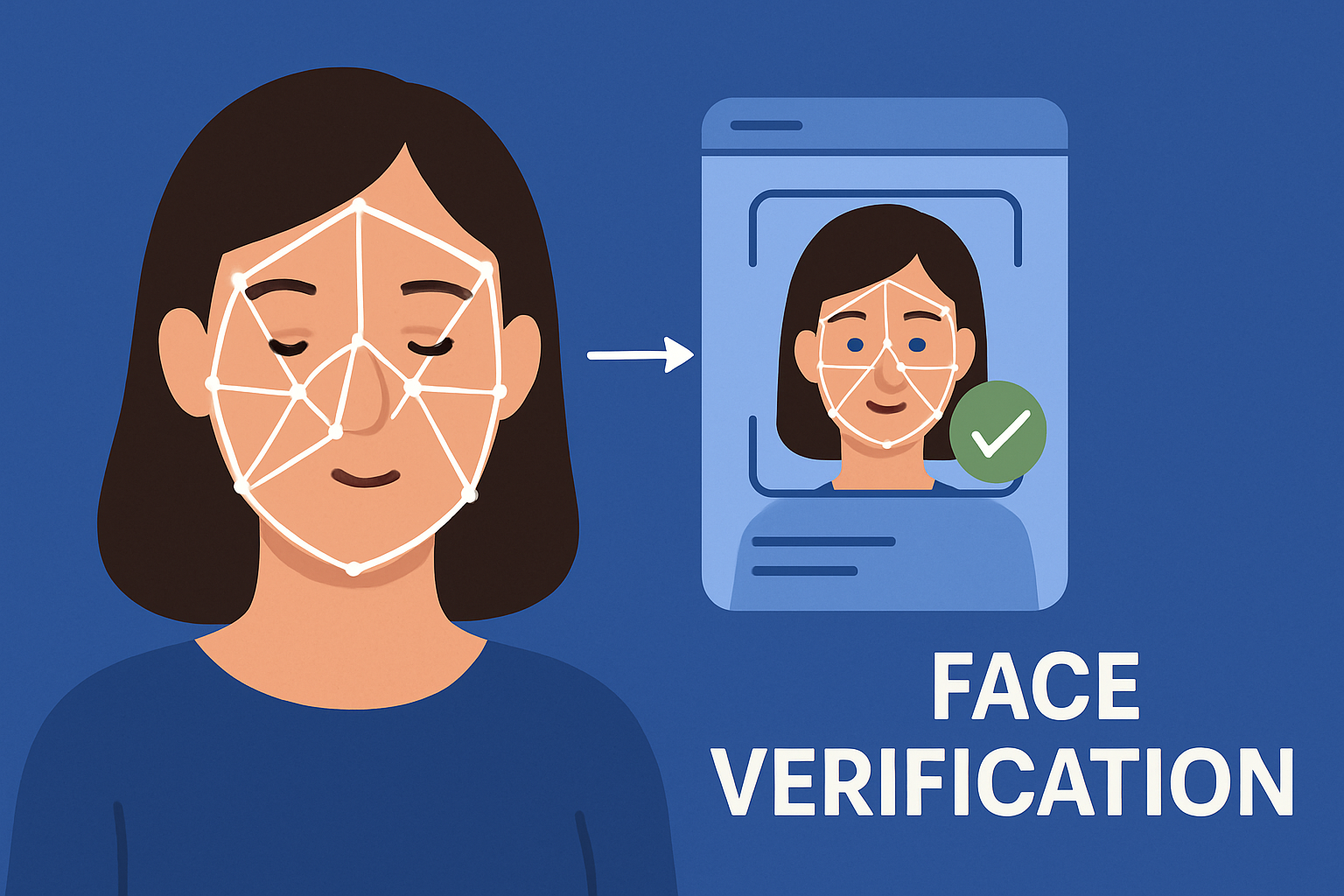
In today’s digital-first world, businesses must ensure secure and seamless user authentication. With the rise of cyber threats, traditional verification methods are no longer sufficient. This is where face liveness detection and biometric voice recognition play a crucial role. These advanced technologies are transforming identity verification by offering enhanced security, fraud prevention, and a smooth user experience.
What is Face Liveness Detection?
Face liveness detection is a cutting-edge technology used to determine whether a facial biometric sample is being captured from a real, live person rather than a photo, video, or mask. It acts as a protective layer against spoofing attacks, ensuring that only genuine users can access systems or services.
There are two main types of liveness detection:
- Active Liveness Detection: Requires user interaction, such as blinking, smiling, or turning the head.
- Passive Liveness Detection: Works in the background using AI algorithms to analyze facial features without requiring user action.
This technology is widely used in industries like banking, fintech, and e-commerce, where secure onboarding and fraud prevention are essential.
Understanding Biometric Voice Recognition
Biometric voice recognition, also known as voice authentication, uses unique vocal characteristics to verify a user’s identity. Just like fingerprints or facial features, every individual has a distinct voice pattern shaped by physical and behavioral traits.
Voice recognition systems analyze elements such as:
- Pitch and tone
- Speech rhythm
- Pronunciation patterns
This technology allows users to authenticate themselves simply by speaking, making it a convenient and contactless solution.
Benefits of Combining Both Technologies
Integrating face liveness detection with biometric voice recognition creates a powerful multi-layered security system. Here’s why businesses are adopting this combination:
1. Enhanced Fraud Prevention
By verifying both facial and voice biometrics, it becomes extremely difficult for fraudsters to bypass security systems using deepfakes, photos, or recorded audio.
2. Seamless User Experience
Users can quickly verify their identity without remembering passwords or OTPs, leading to faster onboarding and improved satisfaction.
3. Remote Verification Capabilities
These technologies enable secure remote identity verification, making them ideal for digital platforms and mobile applications.
4. Compliance with KYC Regulations
Face and voice biometrics help businesses meet strict KYC (Know Your Customer) and AML (Anti-Money Laundering) compliance requirements.
Use Cases Across Industries
- Banking & Finance: Secure account opening and transaction authentication
- Telecom: SIM verification and fraud detection
- Healthcare: Patient identity verification
- E-commerce: Secure logins and payment authentication
Conclusion
Face liveness detection and biometric voice recognition are revolutionizing digital identity verification. By combining accuracy, security, and convenience, these technologies help businesses stay ahead of evolving cyber threats. As digital transformation continues to grow, adopting advanced biometric solutions is no longer optional—it’s essential for building trust and ensuring secure user interactions.

 English
 Arabic
 French
 Spanish
 Portuguese
 Deutsch
 Turkish
 Dutch
Dutch
 Russian
 Romaian
 Portuguese (Brazil)
 Greek
Greek