


How to Choose the Perfect Hair Color for Your Skin Tone
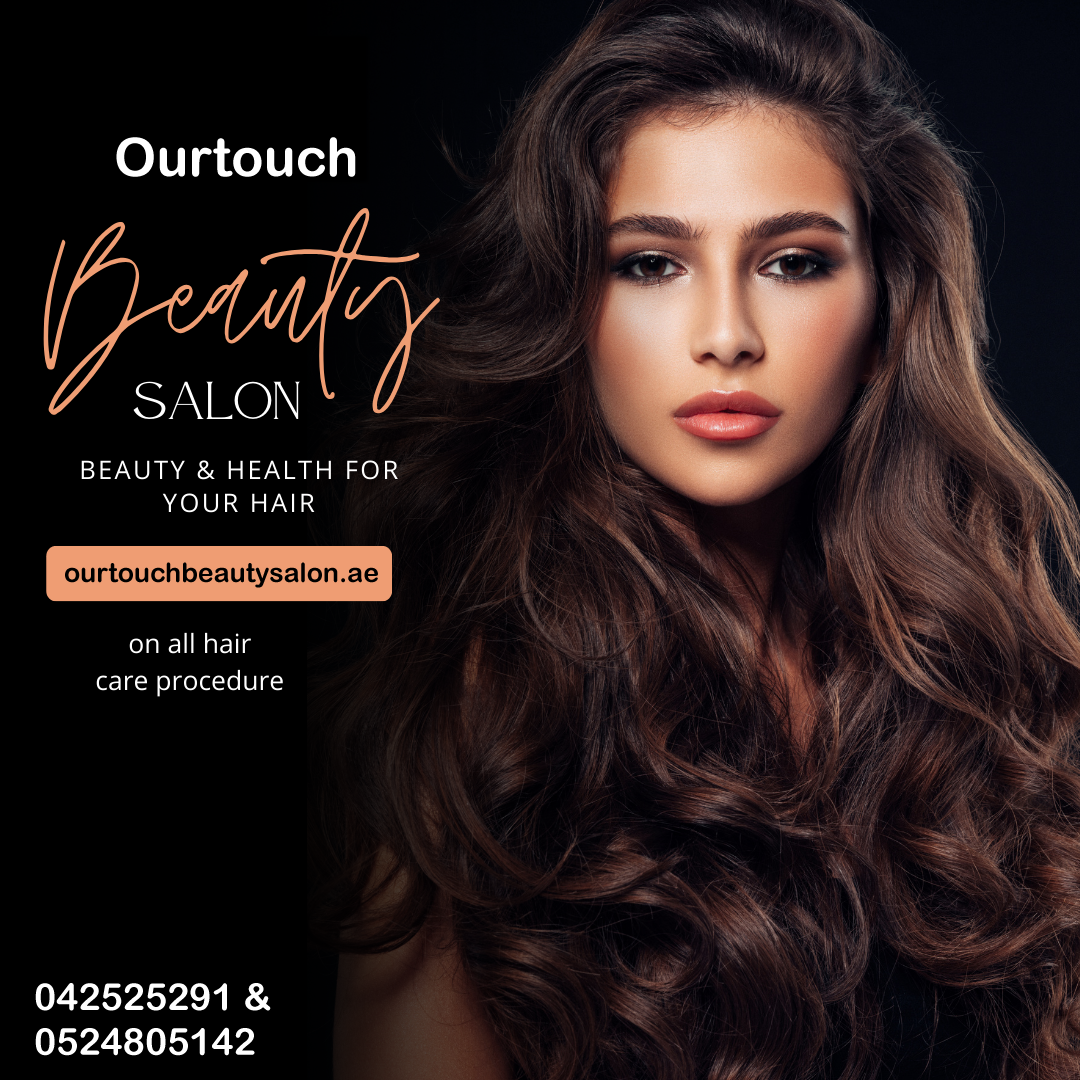
Choosing a new hair color can feel exciting—and a little intimidating. Will it brighten your face? Will it wash you out? The secret isn't chasing the latest trend; it's matching the shade to your natural skin tone and undertone. When done right, the perfect hair color acts like a filter: it enhances your features, makes your skin glow, and boosts confidence instantly.
At our salon, we guide clients through this process every day. The key? Understanding undertones (warm, cool, or neutral) and how they interact with hair pigments. Here's your step-by-step guide to finding a flattering, long-lasting shade that feels like "you"—only better.
Step 1: Determine Your Skin Undertone Undertone is the subtle hue beneath your skin's surface. It's different from your surface skin tone (fair, medium, deep). Most people fall into one of three categories:
- Warm undertones: Yellow, golden, peachy, or olive hues. Veins on your wrist look greenish. You tan easily and look great in gold jewelry.
- Cool undertones: Pink, red, or bluish hints. Veins appear blue or purple. You burn easily and silver jewelry flatters you more.
- Neutral undertones: A balanced mix—no strong warm or cool dominance. Veins may look blue-green, and both gold and silver work well.
Quick tests at home:
- Look at your wrist veins in natural light.
- Hold white paper next to your face: yellowish tint = warm; pinkish = cool; even = neutral.
- Try jewelry: gold enhances warm; silver enhances cool.
Once you know your undertone, you're ready to match hair colors that harmonize instead of clash.
Step 2: Best Hair Colors for Warm Undertones Warm undertones glow with golden, rich, and earthy shades. These colors add warmth and radiance without overwhelming your natural golden base.
Recommended shades:
- Golden blonde or honey blonde — Sun-kissed and dimensional, these brighten without looking harsh. Think soft caramel highlights for low-maintenance glow.
- Caramel, toffee, or chestnut brown — Rich and chocolatey with warm red undertones. These make skin look vibrant and youthful.
- Copper, auburn, or strawberry blonde — Bold yet flattering. Modern burnt copper or soft cinnamon tones are trending for a cozy, lived-in feel.
- Warm reds — From ginger to mahogany, these amplify golden skin beautifully.
Avoid: Stark ash blondes, platinum, or icy tones—they can make warm skin look sallow or dull.
Pro tip: If you're going darker, opt for warm bases with golden reflections. For lighter looks, add honey or caramel balayage for face-framing brightness.
Step 3: Best Hair Colors for Cool Undertones Cool undertones shine with ashy, icy, and jewel-like shades. These colors create contrast and make features pop against pink or blue-based skin.
Recommended shades:
- Ash blonde or platinum blonde — Clean, icy tones that brighten cool complexions dramatically. Soft beige or champagne blondes add subtle dimension.
- Cool browns — Taupe, espresso, or mocha with ash undertones. These keep things sophisticated and prevent brassiness.
- Jet black or blue-black — Timeless and striking. A glossy finish adds depth without heaviness.
- Cool reds — Burgundy, cherry, or violet-tinged reds. These add edge and make eyes stand out.
Avoid: Golden blondes, honey highlights, or warm coppers—they can clash and make cool skin appear uneven or ruddy.
Pro tip: Maintain cool tones with purple shampoo to fight brass. For 2026 vibes, try "ice beige" or soft ash blends for a modern, shiny finish.
Step 4: Best Hair Colors for Neutral Undertones Lucky you—neutral undertones are the most versatile! You can pull off almost anything, from warm to cool, as long as it's balanced.
Recommended shades:
- Espresso or rich chocolate brown — Deep and flattering on everyone.
- Neutral blonde — Beige, sandy, or buttery tones that mix warm and cool for natural dimension.
- Muted reds — Rose gold, auburn with ash hints, or soft copper.
- Multi-dimensional brunettes — Like teak or suede brown with subtle highlights.
Neutral skin handles bold changes well, so experiment freely. Trends like "champagne beige" or "soft grey blending" look effortless here.
Step 5: Consider Your Natural Hair Color and Maintenance Your starting point matters:
- Dark hair? Go for dimensional color (highlights/lowlights) to avoid flatness.
- Light hair? Deeper tones like espresso gloss add richness without full commitment.
- Gray hair? Blend with soft tones for seamless grow-out.
Maintenance level:
- Low: Balayage, highlights, or glosses grow out gracefully.
- High: All-over vivid reds or platinum need frequent touch-ups.
Always use color-safe products and weekly treatments to keep shine alive.
Step 6: Eye Color and Overall Harmony Hair color should complement—not compete with—your eyes:
- Brown eyes pop with caramel, copper, or rich browns.
- Blue/green eyes shine against ash, cool browns, or platinum.
- Hazel eyes love multi-tonal shades like honey or auburn.

 Arabic
 French
 Spanish
 Portuguese
 Deutsch
 Turkish
 Dutch
Dutch
 Italiano
 Russian
 Romaian
 Portuguese (Brazil)
 Greek
Greek