


Bypass Configuration Influence on Maintenance Practices
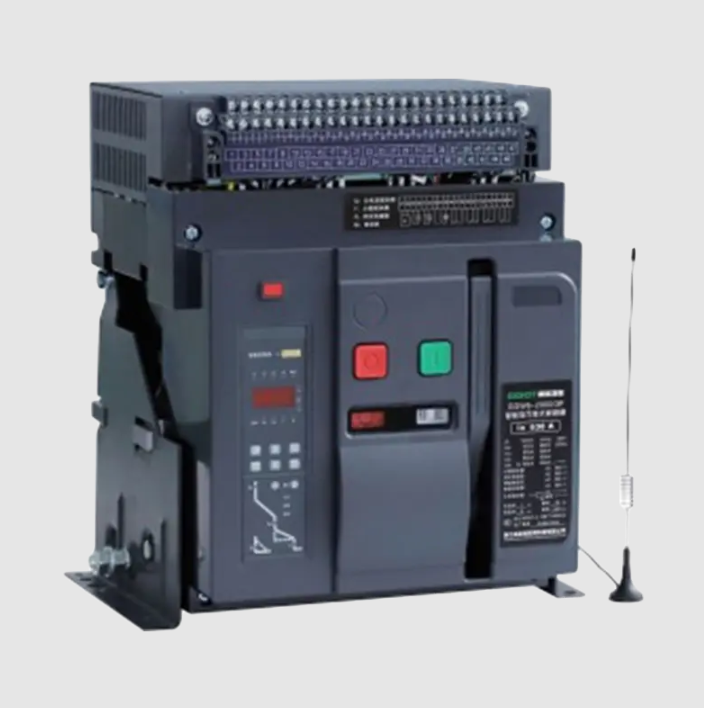
Installation planning plays a decisive role in how soft starter systems perform over time. When comparing an External Bypass Soft Starter with a Built-in Bypass Soft Starter, physical layout, wiring paths, and maintenance access all influence practical outcomes. These factors often determine installation efficiency as much as electrical specifications.
Motor control panels vary widely in size, ventilation, and accessibility. Bypass configuration directly affects how components are arranged within these panels and how easily technicians can interact with them during service.
Panel Layout Requirements for External Bypass Systems
External bypass configurations require space for a separate contactor and associated wiring. Panel designers must allocate mounting locations that allow for proper airflow and safe cable routing. Power cables between the soft starter and bypass contactor are typically sized to handle full-load current.
This arrangement can increase panel depth and width, especially for higher current ratings. However, it also provides clear physical separation between components, which can simplify troubleshooting. Technicians can isolate and inspect the bypass contactor independently from the soft starter.
Cable management becomes an important consideration. Clear labeling and organized routing help reduce confusion during installation and maintenance. While this approach requires more upfront planning, it can support long-term serviceability.
Compact Installation with Built-in Bypass Soft Starters
A Built-in Bypass Soft Starter consolidates components into a single enclosure. This reduces the overall footprint within the control panel and simplifies power wiring. Fewer external connections shorten installation time and reduce potential wiring errors.
Compact installation is particularly useful in retrofit projects or standardized control cabinets. With fewer components to mount, installation procedures become more repeatable across multiple systems.
However, compact design places greater importance on enclosure access. Maintenance tasks may require removing covers or isolating the entire device. Panel designers often consider accessibility when positioning built-in bypass soft starters within cabinets.
Maintenance Access and Service Strategy
Maintenance practices differ between bypass configurations. External bypass systems allow selective component replacement, which can be beneficial when minimizing downtime. Built-in bypass systems emphasize unified service procedures, often involving device-level maintenance rather than component-level replacement.
Choosing between these approaches depends on maintenance resources, spare parts strategy, and operational priorities. Facilities with dedicated maintenance teams may prefer modularity, while those focused on simplified installation may favor integration.
Installation planning that accounts for these differences helps ensure that bypass soft starter systems remain manageable throughout their service life.

 English
 Arabic
 French
 Spanish
 Portuguese
 Deutsch
 Dutch
Dutch
 Italiano
 Russian
 Romaian
 Portuguese (Brazil)
 Greek
Greek