


Scalp Micropigmentation: A Practical Approach to Modern Hair Loss
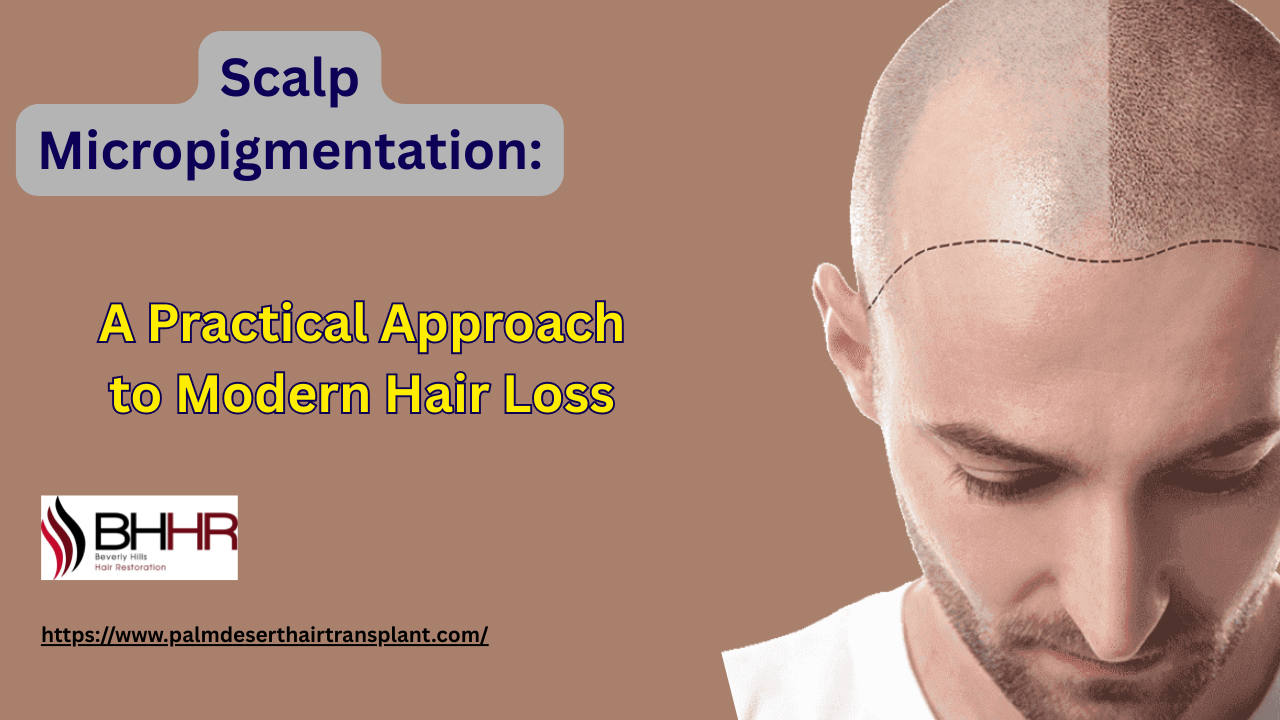
Hair loss often begins subtly, but its emotional impact can grow over time. Many people find themselves searching for solutions that don’t involve surgery, long recovery periods, or daily maintenance routines. This is where scalp micropigmentation has started to stand out as a practical and visually effective option. Rather than focusing on hair regrowth, this method works by improving how the scalp looks, helping create the appearance of fuller hair or a clean, closely shaved style. For individuals who value natural-looking results and straightforward solutions, this approach feels refreshingly realistic. In this article, we’ll explore what scalp micropigmentation really is, how it works, who it’s best suited for, and why it has become a trusted choice for people seeking confidence without complexity. The goal is clarity, not hype—so you can understand whether this option aligns with your personal hair loss journey.
What Is Scalp Micropigmentation?
At its simplest, scalp micropigmentation is a non-surgical cosmetic procedure that uses advanced techniques to replicate the look of natural hair follicles. Tiny pigment deposits are placed into the upper layers of the scalp, carefully matched to your existing hair color and skin tone. The result is a subtle shading effect that reduces the contrast between hair and scalp.
This method is not the same as a traditional tattoo. The pigments, depth, and tools are specifically designed for the scalp, ensuring the finish looks soft and natural rather than flat or artificial. When performed correctly, scalp micropigmentation blends seamlessly with your hair, whether you wear it short, shaved, or slightly longer on top.
Why This Approach Appeals to So Many People
One of the biggest reasons people consider this treatment is its simplicity. There’s no surgery involved, no donor area, and no extended downtime. Scalp micropigmentation focuses purely on appearance, which means results are visible almost immediately after the sessions are complete.
It’s also appealing because it works for a wide range of hair loss patterns. From receding hairlines to diffuse thinning or bald crowns, this approach adapts to different needs. Even individuals who have tried other hair loss solutions without success often find this option refreshing because it doesn’t rely on hair growth or medications.
Understanding the Treatment Process
The process usually begins with a detailed consultation. This step is essential, as it allows the practitioner to assess hair loss patterns, facial structure, and overall goals. The hairline design and density level are planned carefully to ensure the final look remains natural over time.
Scalp micropigmentation is typically completed over multiple sessions. Each session adds layers of pigment, gradually building depth and realism. This layered method helps avoid an overly dark or artificial appearance. Most people describe the sensation as mild and manageable, with little disruption to daily activities.
After each session, simple aftercare guidelines help the scalp heal properly and protect the pigment as it settles. Over time, the pigment softens slightly, which enhances the natural effect rather than diminishing it.
Who Is a Good Candidate?
Scalp micropigmentation is suitable for both men and women dealing with various stages of hair loss. It’s often chosen by individuals who prefer a clean, buzzed look, as it enhances the appearance of density across the scalp. People with thinning hair can also benefit, as the treatment reduces visible scalp contrast.
It’s also commonly used to camouflage scars from previous hair transplant procedures or injuries. Because it doesn’t rely on hair follicles, this approach works even when other treatments are no longer effective or suitable.
How Natural Results Are Achieved
The realism of scalp micropigmentation depends heavily on precision. Each pigment impression is placed at a specific angle and depth to mimic natural follicles. Color selection is equally important, as pigments are chosen to age gracefully and fade evenly over time.
Lighting conditions can reveal poor work, which is why experience matters. When done correctly, the results look consistent indoors, outdoors, and under bright light. This attention to detail is what allows the treatment to enhance confidence without drawing attention to itself.
Common Misunderstandings
One common myth is that this procedure makes hair grow back. In reality, scalp micropigmentation improves appearance, not hair growth. Another misconception is that it’s permanent in the same way as body tattoos. While long-lasting, the pigments are designed to fade gradually, allowing for adjustments as styles or preferences change.
Some people also worry that the treatment will look obvious. When performed by trained professionals, the outcome is subtle enough that most people simply notice a more balanced and youthful hairline.
Why Professional Experience Matters
Because this treatment blends medical knowledge with artistic skill, choosing the right provider is essential. Clinics with a strong background in hair restoration tend to understand hairline design, density patterns, and long-term aesthetics more deeply.
This is why centers like Beverly Hills Hair Transplant in Palm Desert are often associated with refined, natural-looking results, as their experience with hair restoration translates well into delivering balanced and realistic outcomes.
Conclusion: Confidence Through Subtle Change
Hair loss solutions don’t always need to be dramatic to be effective. Scalp micropigmentation offers a thoughtful alternative for people who want visible improvement without surgery or ongoing maintenance. By focusing on appearance rather than regrowth, it provides clarity and consistency that many find reassuring.
Understanding how the treatment works, who it’s for, and what results to expect helps set realistic expectations. When done with care and expertise, scalp micropigmentation can quietly restore confidence and help individuals feel more comfortable with their appearance—proving that sometimes, subtle change makes the biggest difference.

 English
 Arabic
 French
 Portuguese
 Deutsch
 Turkish
 Dutch
Dutch
 Italiano
 Russian
 Romaian
 Portuguese (Brazil)
 Greek
Greek